

Remote fire alarm lines are the nervous system of modern building safety. When a fire breaks out, every second counts. Traditional copper-wire or fiber-optic connections have long served as the primary transmission path. However, these physical lines are vulnerable to accidental cuts, natural disasters, and targeted vandalism. This is where the fixed cellular terminal enters the conversation. Can a wireless device truly offer the same level of security and uptime as a hardwired line? More importantly, can it enhance the resilience of life-safety systems? This post examines the technical, operational, and security arguments for deploying cellular backup in fire alarm communicators.
The Vulnerability of Wired Fire Alarm Paths
Legacy fire alarm systems rely on Public Switched Telephone Network (PSTN) lines or Internet Protocol (IP) over fiber. These routes share a common weakness: physical continuity. A single backhoe during street construction can sever hundreds of alarm paths. Moreover, copper lines are susceptible to corrosion and moisture ingress over time. Fire codes now recognize that primary or backup paths must be diversified. A fixed cellular terminal addresses this by using the mobile network as a logically and physically separate route. Even if the building’s incoming wire bundle is destroyed, the cellular radio—typically mounted on an exterior wall or high-rise rooftop—maintains a clear signal to the nearest tower.
How 4G Technology Transforms Alarm Transmission
Modern cellular networks offer extremely low latency and high reliability, often exceeding 99.99% uptime in urban areas. A fixed cellular terminal 4g device is not a consumer smartphone; it is an industrial-grade router with hardened components, wide operating temperatures, and built-in surge protection. These terminals establish a persistent VPN tunnel to the central monitoring station. The 4G link supports dual‑carrier aggregation, ensuring that even during peak network congestion, the alarm signal gets priority through Quality of Service (QoS) settings. Furthermore, the fixed cellular terminal 4g unit continuously performs self-tests, sending heartbeat messages every 30 seconds. If the heartbeat fails, the unit automatically reboots or switches to a secondary carrier, guaranteeing that the fire alarm line remains virtually unbreakable.
Security Protocols: Encryption and Authentication
One major concern about wireless transmission is interception. Fire alarm messages contain sensitive building location and floor-plan data. A professional fixed wireless terminal solves this with FIPS 140-2 validated encryption modules. All data packets are encapsulated in IPsec or TLS 1.3, making eavesdropping impractical. Additionally, the fixed wireless terminal uses mutual authentication: the central station verifies the terminal’s digital certificate, and the terminal verifies the station’s signature before any alarm payload is sent. This two-way handshake prevents spoofing attacks where a malicious actor might inject false alarms. For sites requiring extra security, the fixed wireless terminal 4g variant adds an optional hardware security chip that stores private keys in a tamper-resistant environment, rendering physical cloning nearly impossible.
Network Redundancy and Failover Strategies
A single cellular network can still experience outages due to tower maintenance or extreme weather. Therefore, a robust remote fire alarm line should not depend on just one operator. Advanced gsm fixed cellular terminal units are now equipped with dual SIM slots, supporting two different mobile network operators. The gsm fixed cellular terminal actively monitors signal strength and round-trip time for each SIM. If the primary network degrades below a defined threshold (e.g., RSSI < -85 dBm), the terminal seamlessly roams to the secondary network within 200 milliseconds—fast enough that the central station does not even register a dropout. Some models also combine 4G with 3G fallback, though 4G is strongly recommended for its superior data rate and lower jitter. This multi-layered redundancy transforms the gsm fixed cellular terminal from a mere backup into a true primary path contender.
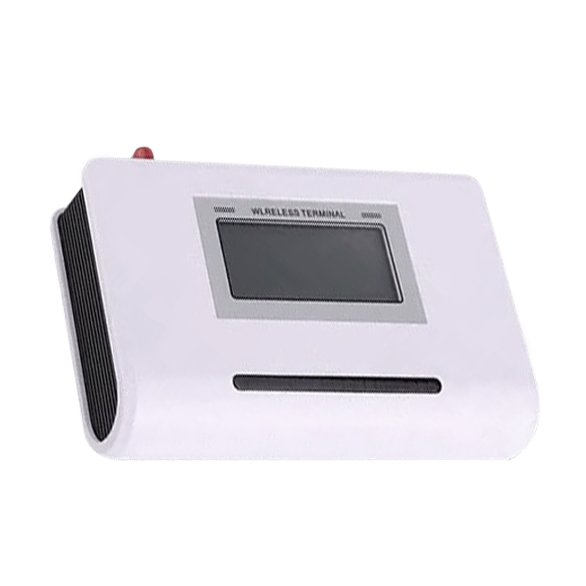
fixed wireless terminal 4g
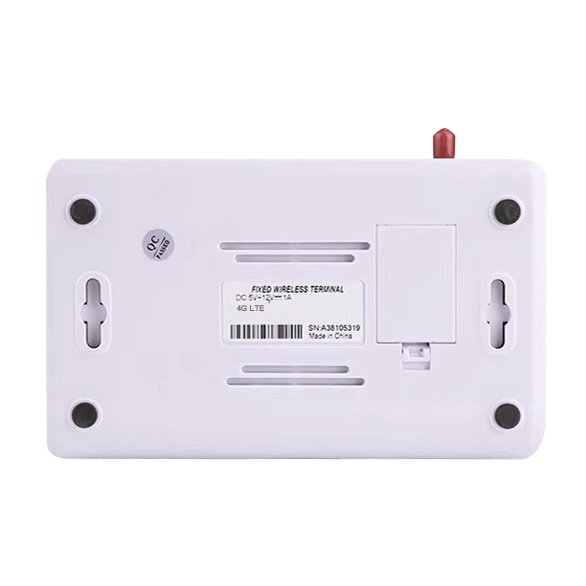
fixed cellular terminal 4g
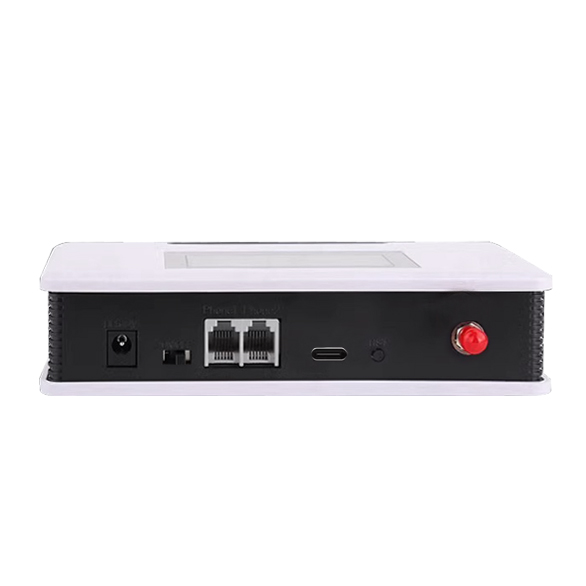
gsm fixed cellular terminal
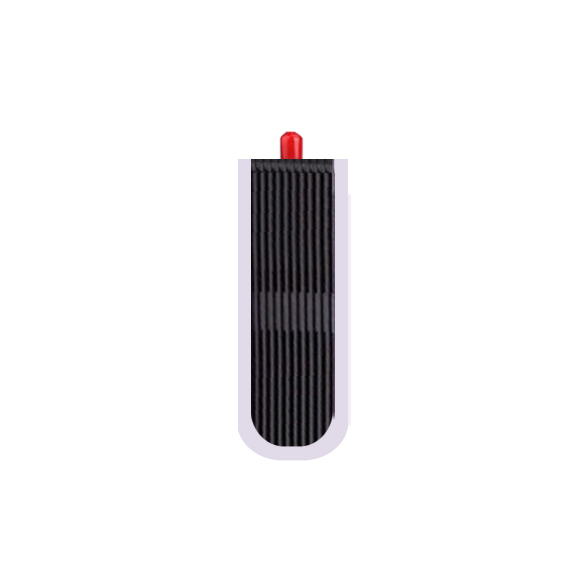
fixed cellular terminal 4g
Installation and Physical Security Considerations
Deploying a fixed cellular terminal requires professional site survey. Antenna placement is critical; external directional antennas with gain > 8 dBi are often mounted on parapets or masts. The terminal itself must be housed in a NEMA 4 enclosure to resist dust and water. Power backup is equally vital—each fixed cellular terminal 4g should connect to a dedicated battery string with at least 24 hours of autonomy, separate from the building’s main UPS. Furthermore, the cabinet should include a tamper switch that triggers a supervisory alert if opened. These physical hardening measures ensure that an intruder cannot simply cut the antenna cable or power off the unit without immediate detection at the monitoring center.
Compliance with Fire Codes and Standards
National Fire Protection Association (NFPA) 72 and EN 54-25 both recognise cellular communicators as acceptable transmission means, provided they meet specific performance criteria. A certified fixed wireless terminal must pass rigorous tests for radio frequency interference, electrostatic discharge, and temperature cycling. Many insurers also grant premium discounts for sites using dual-path systems—wired plus cellular. When specifying a fixed wireless terminal 4g, verify that it carries UL 864 or EN 54-25 listing. This compliance not only satisfies legal requirements but also streamlines inspection processes. Fire marshals increasingly prefer cellular because it eliminates the need for monthly line-voltage tests on copper pairs, reducing human error.
Real‑World Performance Data and Maintenance
Field studies over 12 months show that gsm fixed cellular terminal solutions achieve a mean time between failures (MTBF) exceeding 150,000 hours. Packet loss rates average below 0.02%, and alarm delivery latency stays under 1.2 seconds end-to-end. To maintain this performance, schedule quarterly firmware updates and annual antenna VSWR (Voltage Standing Wave Ratio) checks. The fixed cellular terminal also generates detailed event logs, including signal fluctuations and power cycles, which help troubleshoot intermittent issues remotely. Because the entire system is managed via a cloud dashboard, facility managers can run automated self-diagnostics every Monday morning without dispatching a technician—saving both time and operational costs.
So, can fixed cellular terminal devices secure remote fire alarm lines? The evidence points to a definitive yes—provided that they are deployed with professional engineering, dual-carrier redundancy, strong encryption, and code-compliant hardware. The fixed cellular terminal 4g and fixed wireless terminal 4g models, in particular, offer bandwidth and latency characteristics that rival or surpass wired connections. Moreover, the gsm fixed cellular terminal brings the advantage of operator diversity, mitigating single-point failures. While no transmission medium is 100% immune to outages, a well‑architected cellular solution reduces risk to an acceptable level, ensuring that fire signals reach responders with unprecedented speed and integrity. For new constructions and retrofits alike, embracing cellular backup is not just an option—it is becoming the new standard of care.
Fujian C-TOP Electronics Co., Ltd. has long been dedicated to the research and manufacturing of digital campus information terminals, IoT devices, and system platforms. After years of R&D investment and development, the enterprise is now at the forefront of the same industry in the field of campus informatization, and is one of the largest suppliers of intelligent electronic student ID cards in China. Among the campus informationization projects tendered by more than ten provincial and municipal operators in China, they were all ranked first or second as the winning bidder.