

The rapid expansion of industrial connectivity has placed the 4G iot gateway at the heart of many critical infrastructures. These devices bridge remote sensors, cloud platforms, and control centres. However, their exposure to public cellular networks also makes them prime targets for VPN-based intrusions. Attackers increasingly exploit misconfigured tunnels, weak authentication, and outdated firmware to breach iot gateway assets. This guide presents a structured, defence-in-depth approach to lock down your industrial iot gateway against such threats, while preserving performance and reliability.
Understand the Attack Surface of Your IIoT Gateway
Every iiot gateway operates as a converged node: it runs a cellular modem, a VPN client (IPsec, OpenVPN, or WireGuard), and local protocol translators (Modbus, DNP3, OPC UA). The VPN termination point is especially vulnerable because it exposes UDP/TCP ports to the internet. Attackers scan for default certificates, replay handshake packets, or brute-force pre-shared keys. To secure your 4g iot gateway, first inventory all open ports, disable unused VPN cipher suites, and enforce strict source IP filtering on the cellular interface. Regularly review connection logs for anomalous rekeying attempts—this reduces the lateral movement surface inside your OT network.
Harden VPN Authentication and Key Management
Weak credentials remain the number one entry vector. For any iot gateway devices, replace pre-shared keys with certificate-based mutual authentication (EAP-TLS or IPsec with IKEv2 certificates). Issue short-lived device certificates and rotate them every 90 days. Store private keys in a hardware secure element or TPM 2.0, not in flash memory. Additionally, implement multi-factor authentication for administrative VPN access—this applies to both cloud management interfaces and local console logins. For your industrial iot gateway, disable legacy protocols like PPTP and L2TP; force perfect forward secrecy (PFS) and AES-256-GCM. These measures drastically cut the success rate of credential-stuffing and man-in-the-middle attacks.
Segment Network Traffic Via VLANs and Firewall Zones
A compromised VPN tunnel should not expose the entire production floor. Deploy your iiot gateway with separate virtual routing and forwarding (VRF) instances: one for cellular-to-cloud data, one for fieldbus traffic, and one for management. Use stateful firewall rules to allow only necessary destination IPs and ports (e.g., MQTT to a specific broker, NTP to a trusted server). For iot gateway deployments, block all inbound VPN traffic from non-corporate subnets except the designated head-end concentrator. Furthermore, enable ingress filtering to drop spoofed packets. This segmentation ensures that even if an attacker gains VPN access, they cannot pivot to programmable logic controllers or HMIs without crossing explicit deny rules.
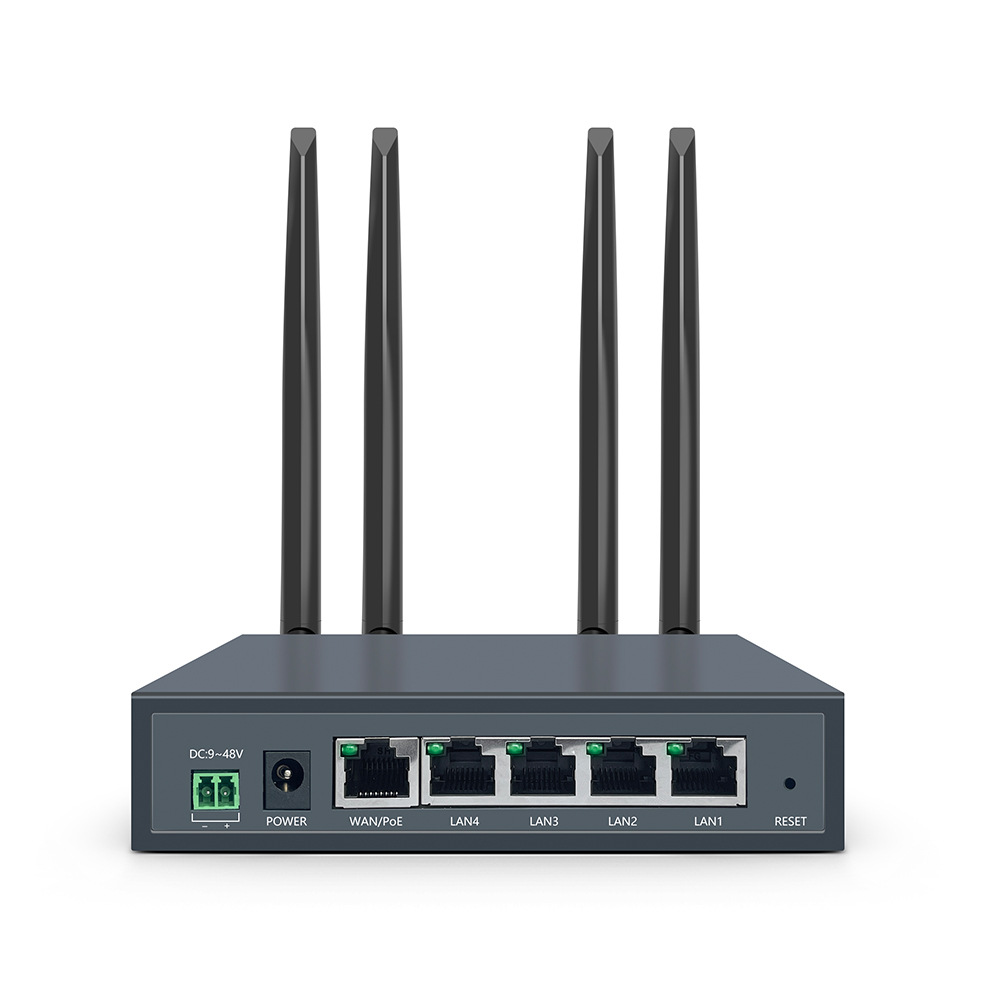
industrial iot gateway
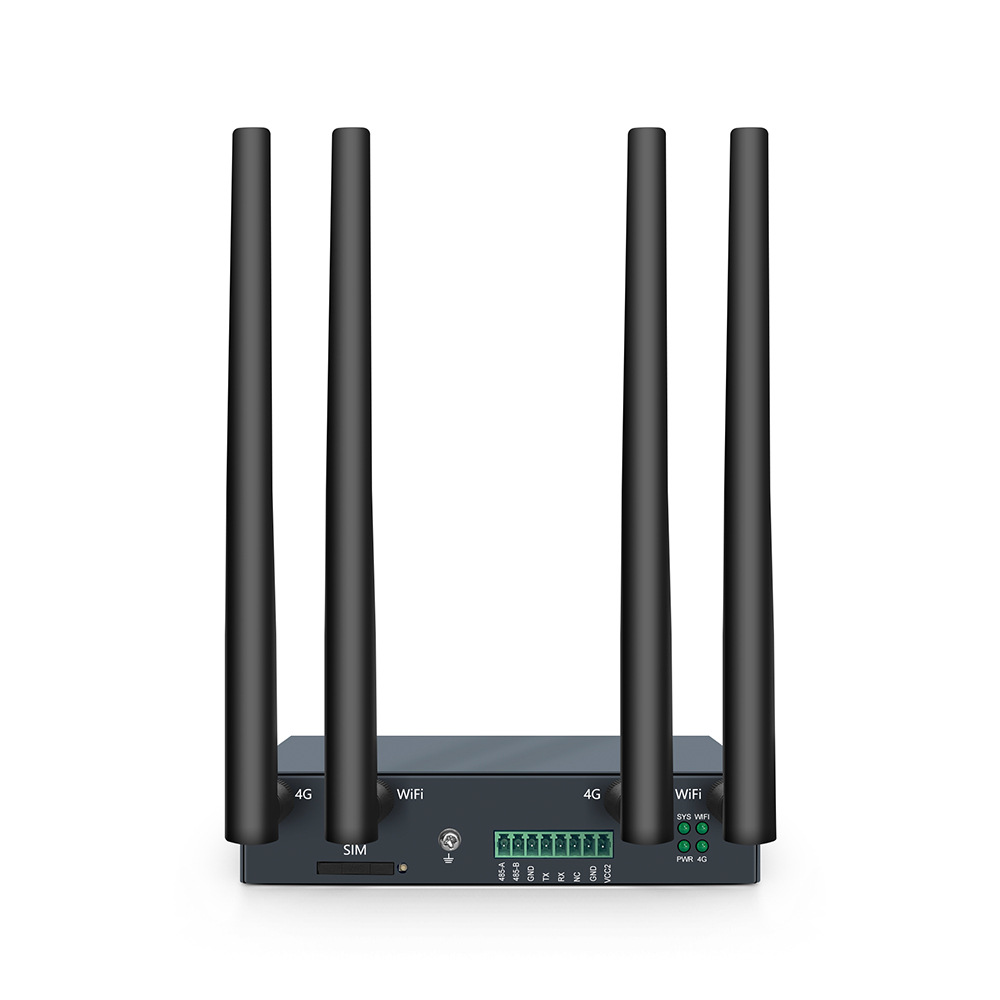
4g iot gateway
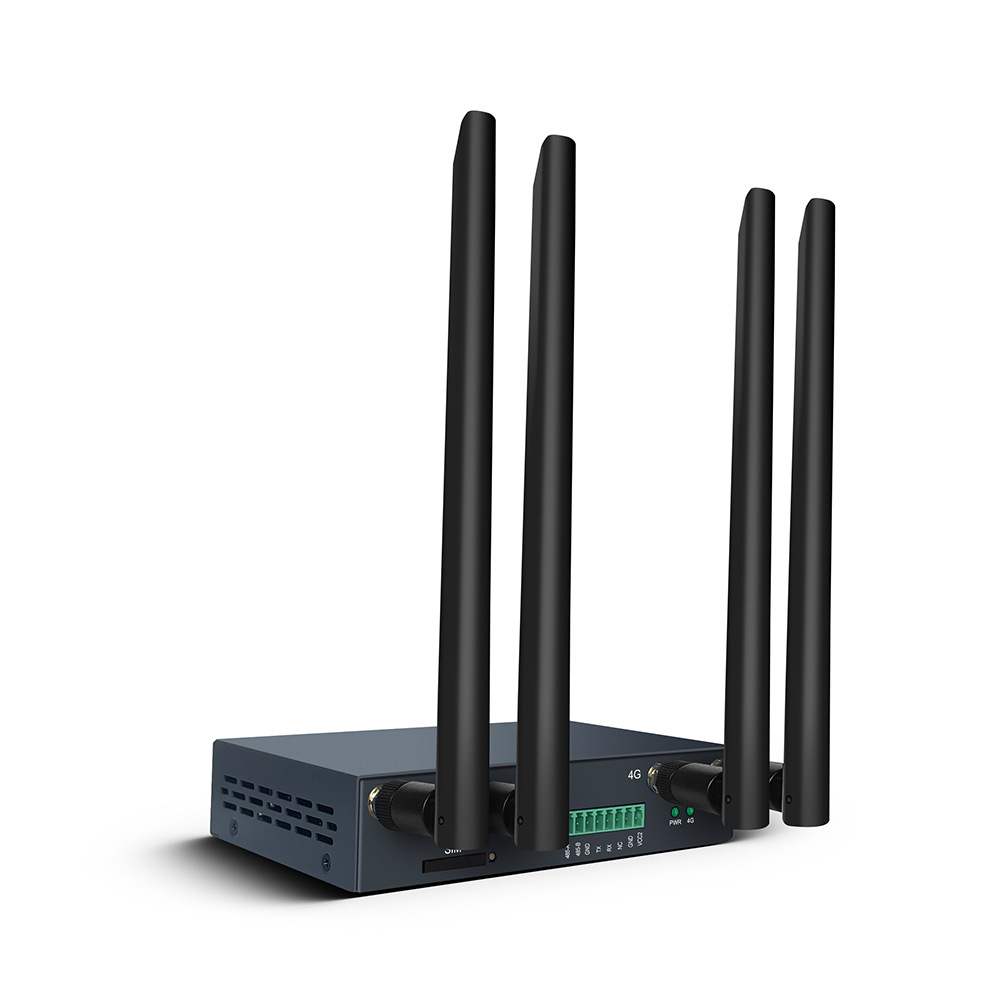
iot gateway devices
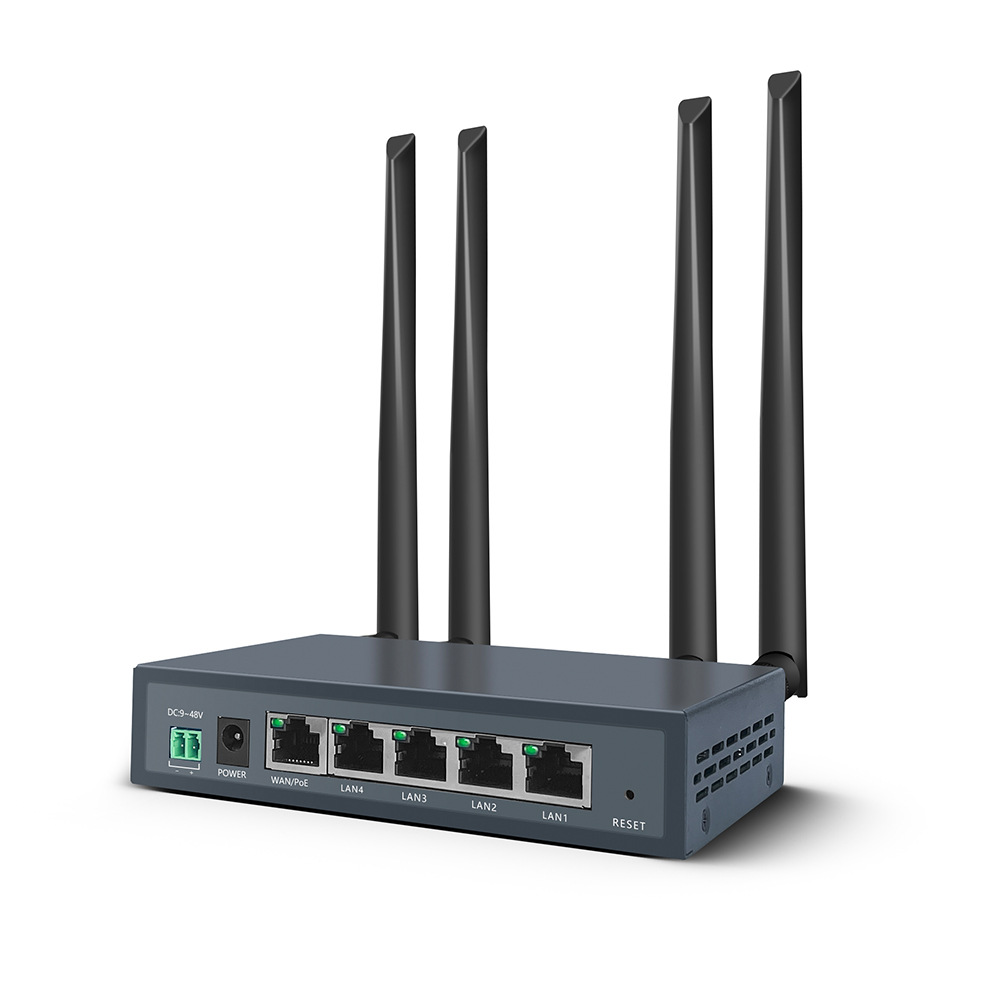
iiot gateway
Enforce Continuous Monitoring and Anomaly Detection
Passive security is insufficient. Equip your 4g iot gateway with lightweight intrusion detection (e.g., Snort or Suricata in IPS mode) tuned for industrial protocols. Monitor VPN renegotiation frequency, payload size outliers, and unexpected ICMP traffic. Deploy a syslog or SIEM forwarder that sends alerts to a central dashboard; correlate these with cellular signal strength and jitter metrics—sudden changes may indicate signal injection attacks. For all iot gateway devices, schedule automatic daily health checks that verify certificate validity, firmware integrity, and open file descriptors. Set up automated responses: if three authentication failures occur within five minutes, temporarily blacklist the source IP and trigger an admin email.
Patch Firmware and Update VPN Libraries Religiously
Vendors frequently release patches for cryptographic flaws (e.g., Heartbleed, SWEET32, or recent OpenSSL CVEs). Treat your industrial iot gateway as a living system—subscribe to CVE alerts and vendor security bulletins. Establish a rolling update window (e.g., every second Tuesday) to apply fixes to both the Linux kernel and the VPN daemon. Before deployment, test patches in a staging iiot gateway to avoid breaking protocol conversions. Use signed firmware images and verify checksums after each flash. Outdated VPN stacks often contain known exploit vectors; timely patching closes those doors without sacrificing uptime.
Restrict Physical and Serial Access
VPN hacks often begin with physical tampering—connecting a laptop to the console port or resetting the device to factory defaults. Secure your 4g iot gateway in locked enclosures with tamper-evident seals. Disable unused serial interfaces (RS-232/RS-485) and USB ports in the bootloader. For remote recovery, implement a secure out-of-band management channel that is completely independent of the primary VPN. Also, encrypt local configuration backups and store them offline. Physical security complements digital controls, ensuring that an on-site attacker cannot extract private keys or bypass VPN policies.
Conduct Regular Penetration Tests and Red Team Exercises
Theoretical hardening must be validated. Hire external testers to attack your iot gateway devices from both external (cellular) and internal (compromised host) perspectives. Focus on VPN fuzzing, session resumption attacks, and downgrade exploits. Document every finding and remediate within defined SLAs. For your industrial iot gateway, simulate a prolonged DDoS against the VPN port to evaluate failover to a backup cellular module. These exercises reveal misconfigurations that automated scanners miss. After each test, update your incident response playbook with specific kill-chain steps for VPN breaches.
Securing a 4g iot gateway from VPN hacks is not a one-time task but a continuous cycle of assessment, hardening, monitoring, and patching. By combining strong authentication, network segmentation, real-time detection, rigorous patch management, physical safeguards, and proactive testing, you create multiple obstacles for adversaries. Every iiot gateway deployment carries unique risk profiles, but the principles above provide a robust baseline. Start with a thorough audit of your current VPN configuration, then incrementally apply these layers. Resilience comes from depth, not obscurity—make your industrial iot gateway a tough nut to crack.
Fujian C-TOP Electronics Co., Ltd. has long been dedicated to the research and manufacturing of digital campus information terminals, IoT devices, and system platforms. After years of R&D investment and development, the enterprise is now at the forefront of the same industry in the field of campus informatization, and is one of the largest suppliers of intelligent electronic student ID cards in China. Among the campus informationization projects tendered by more than ten provincial and municipal operators in China, they were all ranked first or second as the winning bidder.