

In 2026, GPS technology has evolved significantly. With the global shutdown of 2G and 3G networks now complete, 4G LTE has become the industry standard for location tracking. But for consumers and fleet managers investing in security, the core question remains: how accurate is a modern 4G GPS tracker?
The answer is more complex than a simple number. While marketing materials often promise "pinpoint accuracy," the real-world performance of a gps tracker depends on hardware quality, environmental factors, and network integration. Understanding these variables is crucial whether you are securing a single asset or managing an entire fleet.
The Baseline: Consumer vs. Commercial Accuracy
For the average user purchasing a gps tracker for car security, the expected accuracy in an open environment typically ranges from 2 to 5 meters (approximately 6 to 16 feet) . This is sufficient for locating a parked vehicle in a lot or recovering a stolen asset. However, this figure represents ideal conditions—clear skies and a direct view of multiple satellites.
Commercial-grade vehicle gps tracker solutions often achieve higher precision. By utilizing multi-band frequencies and advanced signal processing, these devices can narrow the margin of error to under one meter in optimal conditions. This level of detail is essential for logistics companies managing dock assignments or tracking high-value cargo.
The Technology Driving Precision
Why does a car tracker in 2026 perform better than its predecessors? The answer lies in hardware diversification. Modern 4G devices no longer rely solely on the US GPS network. They simultaneously access GLONASS (Russia), Galileo (Europe), and BeiDou (China) . This multi-constellation support means a receiver can lock onto over 20 satellites at once, dramatically improving positional accuracy and reducing "drift" when stationary.
Furthermore, the 4G connection itself enhances precision through Assisted GPS (A-GPS) . Instead of slowly decoding orbital data from satellites, a gps tracker downloads this information instantly via the cellular network. This not only provides a faster location fix but also allows the device to function better in marginal coverage areas where satellite signals are weak.
The Real-World Challenges
Despite technological leaps, no gps tracker for car is immune to physics. The most common accuracy killer is the "urban canyon" effect. When a vehicle drives through a city with skyscrapers, GPS signals bounce off glass and steel before reaching the car tracker . This "multipath" interference causes the receiver to miscalculate distance, sometimes showing the vehicle on a side street when it is actually on the main road.
Signal penetration also affects vehicle gps tracker performance. If a device is installed deep inside a vehicle's center console or inside a metal shipping container, the signal attenuates significantly. In these cases, accuracy can degrade to over 50 meters. To combat this, high-end trackers now integrate Dead Reckoning technology, which uses internal gyroscopes and accelerometers to plot movement during signal loss.
2026 Trends: The Rise of RTK and Corrections
The cutting edge of accuracy in 2026 belongs to Real-Time Kinematic (RTK) positioning. Although primarily used in industrial settings, this technology is trickling down to premium gps tracker models. RTK uses a fixed base station to send correction data to the mobile tracker, correcting atmospheric distortion in real-time. This allows a gps tracker for car to achieve centimeter-level accuracy , which is vital for applications like autonomous valet parking and precision agriculture.
Additionally, network-based corrections are improving. Modern 4G networks allow for more frequent data pings. While older trackers might update position every 30 seconds, a 2026-era vehicle gps tracker can stream location data every second, providing a seamless and highly accurate path of travel.
Matching Accuracy to Need
So, how accurate is a 4G GPS tracker in 2026? For the average user looking to protect their vehicle, a standard car tracker offering 3-5 meter accuracy is more than adequate for theft recovery and daily monitoring. For industries requiring lane-level precision, the market now offers vehicle gps tracker solutions with sub-meter capabilities.
The key takeaway is that the technology has matured. With 4G LTE providing faster data and multi-constellation satellites providing more data, the accuracy of modern tracking devices has never been more reliable. When choosing a gps tracker for car security this year, ensure you select a device that matches your specific accuracy requirements.
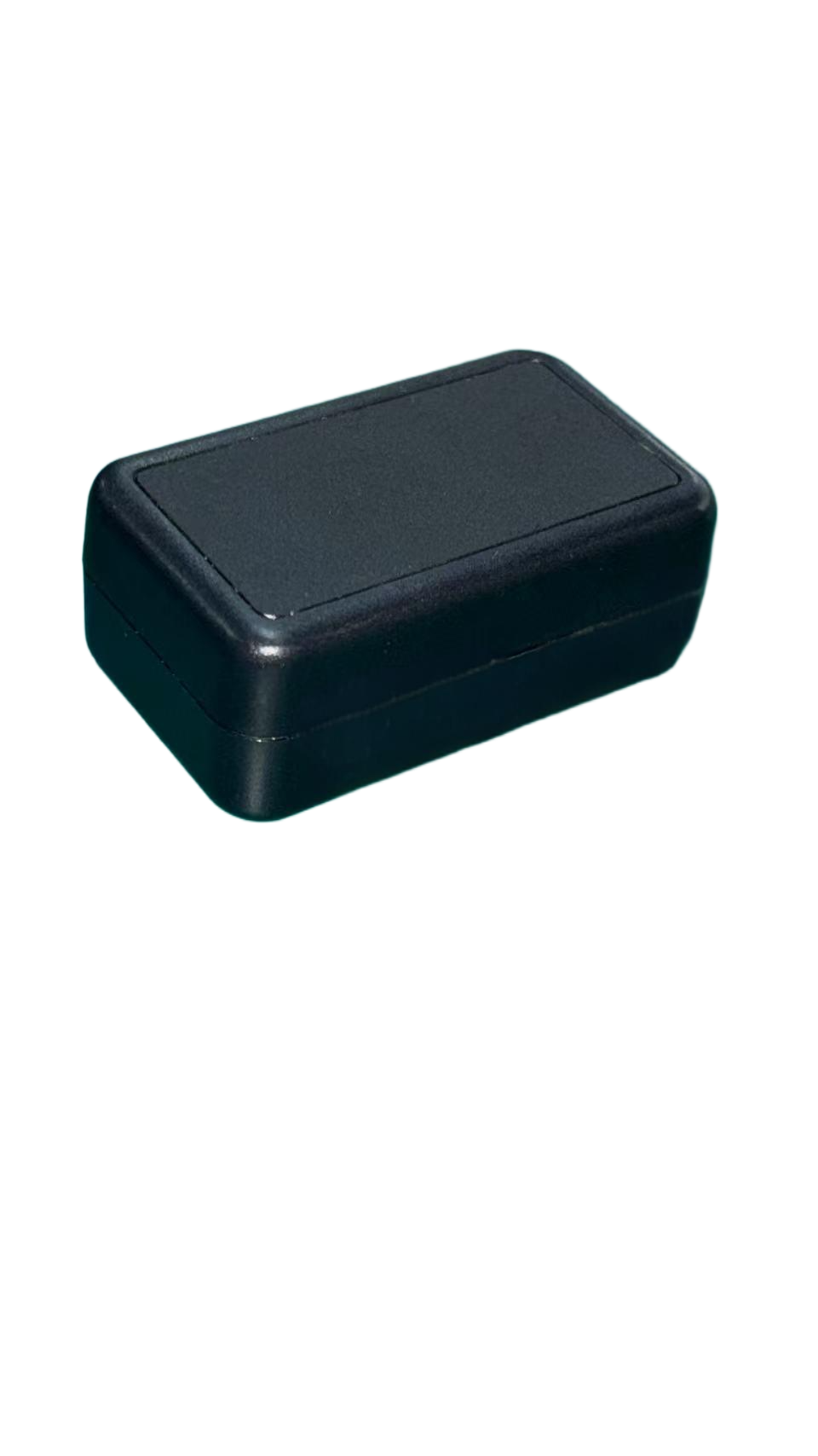
vehicle gps tracker
car tracker