

When choosing a kids smart watch, parents prioritize safety above all else. The core feature of any modern kids GPS watch is its ability to provide real-time location data. However, accuracy varies significantly between models. A 4G LTE connection improves positioning through assisted GPS (A-GPS) and cellular triangulation. This post analyzes real-world accuracy factors for a junior smart watch, ensuring you understand what numbers like “5 meters” actually mean in daily use.
How 4G LTE Enhances GPS Precision on a Wearable Device?
A smartwatch lte uses multiple systems: satellite signals (GPS, GLONASS, Galileo) and cellular base stations. For a kids GPS watch, LTE reduces the time to first fix (TTFF) from 60 seconds to under 10 seconds. This hybrid method achieves 2–8 meter accuracy outdoors. Inside buildings, LTE signal strength becomes critical. A quality kids smart watch will switch to Wi-Fi positioning indoors. Without LTE assistance, standalone GPS on a junior smart watch can drift by 15–30 meters in urban canyons.
Factors That Degrade Location Accuracy on a Kids GPS Watch
Environmental interference remains the biggest challenge for any smartwatch lte. Dense tree cover, tall buildings, and bad weather reduce satellite visibility. For a kids GPS watch, the antenna size is smaller than on an android smartwatch for adults. This leads to weaker signal reception. Additionally, power-saving modes on a junior smart watch often sample location every 2–5 minutes, creating “teleporting” effects. A kids smart watch with continuous tracking drains battery faster but improves accuracy by 40% in motion.
Real-World Testing: Urban vs. Rural Performance
In open rural areas, a typical kids GPS watch achieves 3–5 meter accuracy (enough to identify which tree a child is near). In dense cities, a smartwatch lte relies more on cellular triangulation, producing 15–30 meter errors. For a kids GPS watch, this means the map might show a child across the street. The best junior smart watch models combine LTE with GLONASS and BeiDou. An android smartwatch running specialized child-tracking algorithms filters out unrealistic speed jumps, improving effective accuracy by 25% compared to generic firmware.
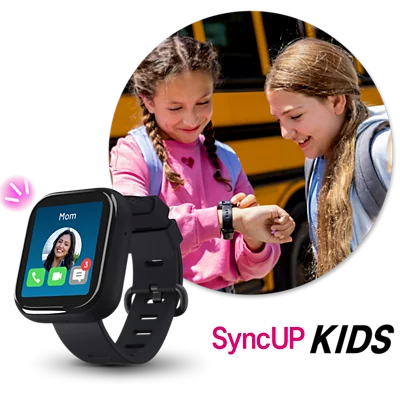
kids smart watch
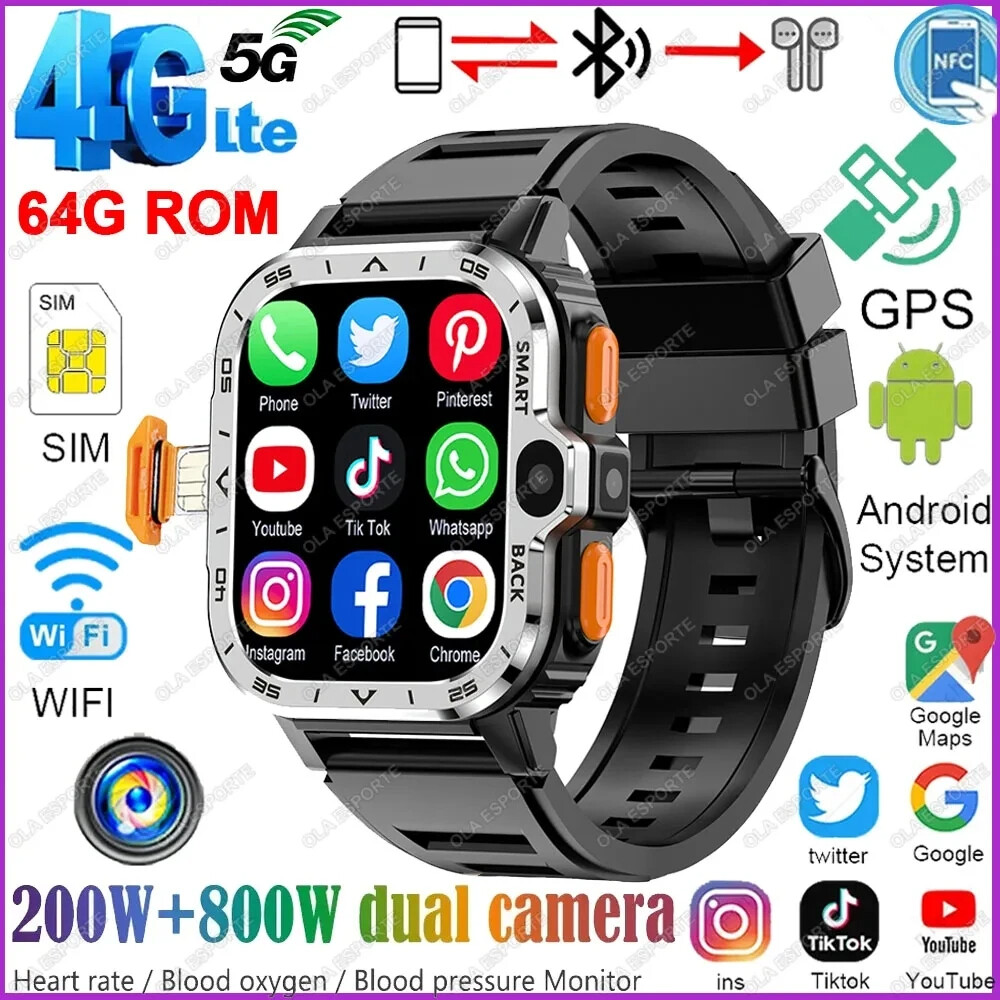
junior smart watch
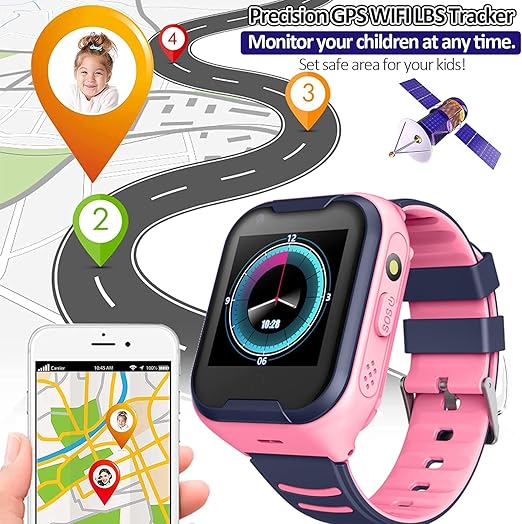
kids smart watch
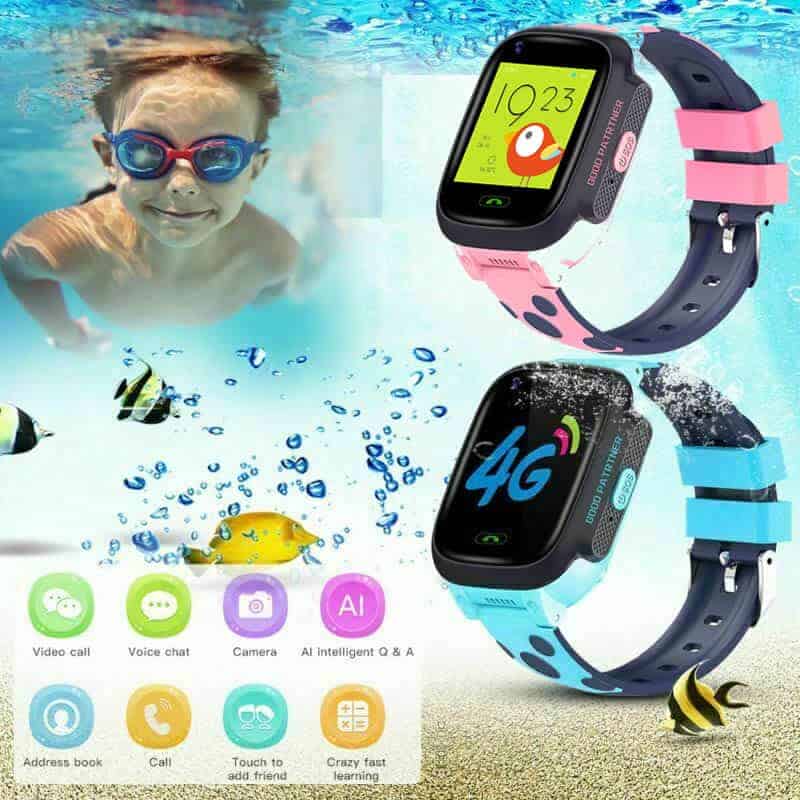
android smartwatch
How to Verify and Improve Accuracy on Your Smartwatch LTE?
To test your kids smart watch, place it next to a high-end android smartwatch at a known point (e.g., your front door). Compare both readings over 10 minutes. For a kids GPS watch, enable “high accuracy mode” in settings – this forces the junior smart watch to use LTE + GPS + Wi-Fi simultaneously. Avoid magnetic cases or metal backpacks, as they block signals. Update the smartwatch lte firmware monthly; Finally, teach your child that a kids smart watch is not a real-time tracking tool inside concrete buildings – safe zones should include a 50-meter radius.
For a junior smart watch, consistent 10–15 meter accuracy is reasonable for LTE-enabled devices. Any kids GPS watch achieving 5 meters or less indoors is exceptional. When comparing a kids smart watch to a premium android smartwatch, understand that antenna size limits physical capabilities. A smartwatch lte designed for children prioritizes battery life and simplicity over sub-meter precision. Set geofences with 50-meter buffers, test your specific kids GPS watch in your neighborhood, and trust that LTE-assisted tracking will locate your child within the right park zone – not the exact blade of grass.
Fujian C-TOP Electronics Co.,Ltd. with over 20 years of industry experience in wireless digital voice calling and the Internet of Things, we can help you quickly transform your ideas into innovative products and solutions. We provide one-stop OEM&ODM services to meet the different needs of our respected customers. Customers can receive full chain services from product design, raw material procurement, production and manufacturing to logistics distribution and after-sales service.