

1. The Core Challenge: Serial Silence Meets IP Noise
Modbus RTU speaks over RS-485 with bit-level timing and cyclic redundancy checks. Cloud platforms demand JSON over MQTT or HTTPS. An industrial 4G modem bridges this gap not by translating, but by encapsulating. The modem treats each RTU frame as a binary payload, wraps it with a transport header, and forwards it via UDP or TCP to a cloud broker. This preserves the original register values, function codes, and error-checking fields, ensuring that the cloud receives an authentic snapshot of the field device.
2. The Mapping Pipeline: From Register to RESTful Payload
A typical mapping workflow runs inside the modem’s embedded processor. First, the modem polls the slave device using standard Modbus commands (e.g., 0x03 read holding registers). Second, it parses the response into a local data table. Third, it applies user-defined scaling, byte-order swapping, and offset calculations. Finally, it serializes the processed values into a lightweight schema—often CBOR or plain JSON. This entire pipeline executes in real-time, with the LTE modem handling the uplink scheduling so that polls and publishes do not collide.
3. Session Management and Keep-Alive Logic
Cloud connections are stateful; Modbus is stateless. The industrial 4G modem maintains a persistent TLS session with the cloud endpoint, renewing certificates as needed. It maps each Modbus transaction ID to a cloud request ID, storing a local transaction table. When a cloud command arrives (e.g., write coil), the modem reverses the map: it extracts the RTU address, constructs the proper PDU, sends it over the serial port, and waits for the acknowledgment. This bidirectional mapping requires careful timeout handling—the cellular modem uses its internal RTC to align Modbus response windows with cloud SLA deadlines.
4. Data Buffering and Store-and-Forward Semantics
Cellular coverage is not always perfect. A robust 4G cellular modem implements a circular buffer that stores mapped records with timestamps. When the cellular internet modem regains signal, it replays the buffered payloads in chronological order, using the cloud’s idempotency keys to avoid duplicates. This mapping layer is transparent to the Modbus master; the master only sees normal response times because the modem handles buffering asynchronously. The buffer size, flush interval, and retry counts are all configurable via AT commands or web UI.
5. Security Mapping: TLS, Certificates, and Firewall Traversal
Mapping RTU to cloud is incomplete without security. The 4G cellular modem terminates the TLS 1.2/1.3 connection on behalf of the RTU network. It maps each serial device to a unique client ID and publishes only to restricted topics. Access control lists (ACLs) are enforced at the modem level, so even if a rogue RTU device sends abnormal values, the modem drops the packet before it reaches the cloud. Furthermore, the modem maps source IPs (from the cellular interface) to virtual device addresses, creating an audit trail for every register change.
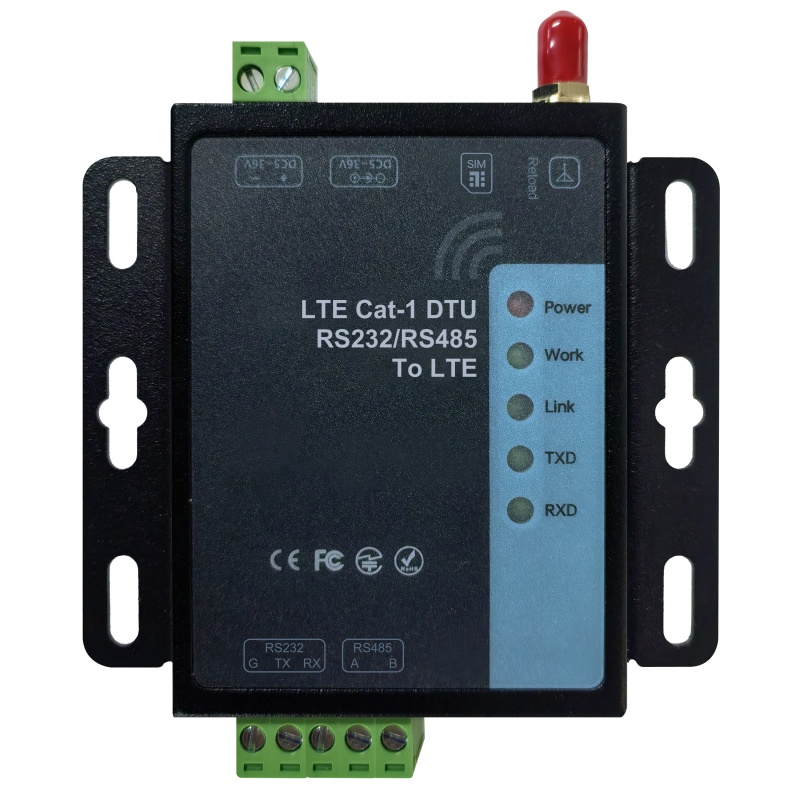
cellular modem
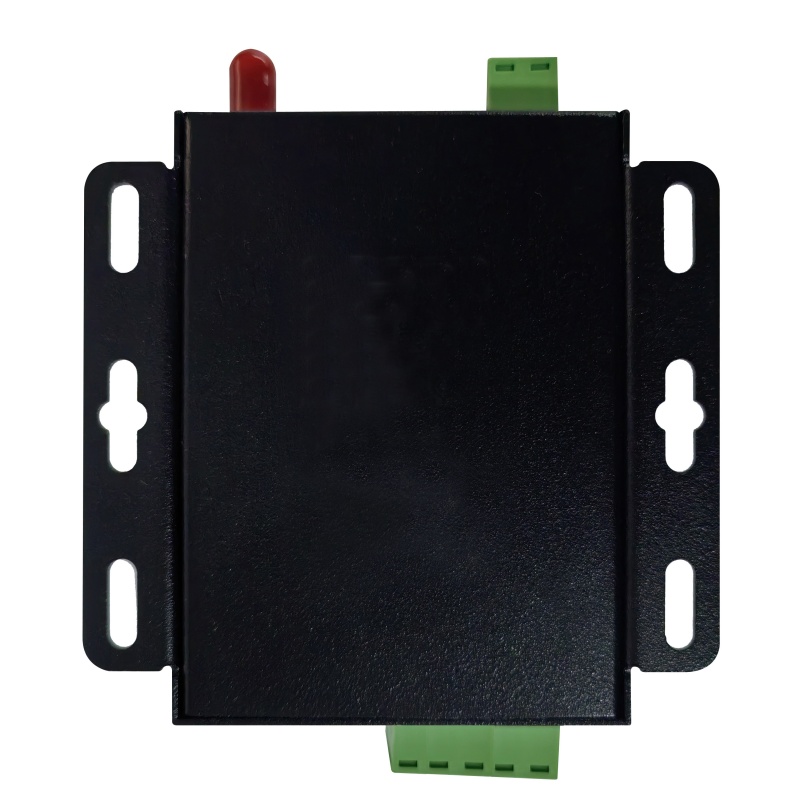
cellular internet modem
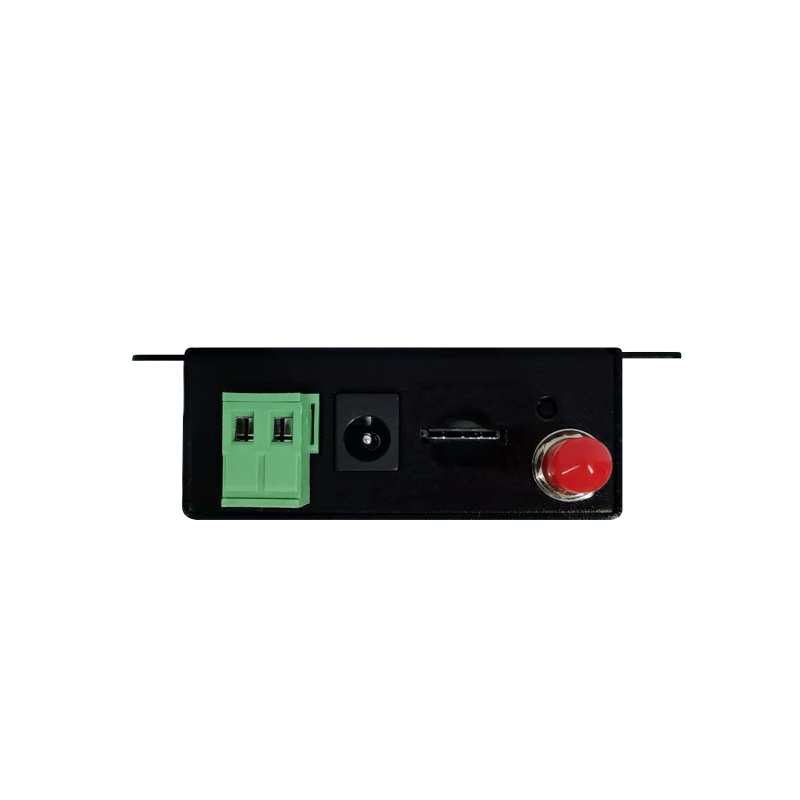
industrial cellular modem
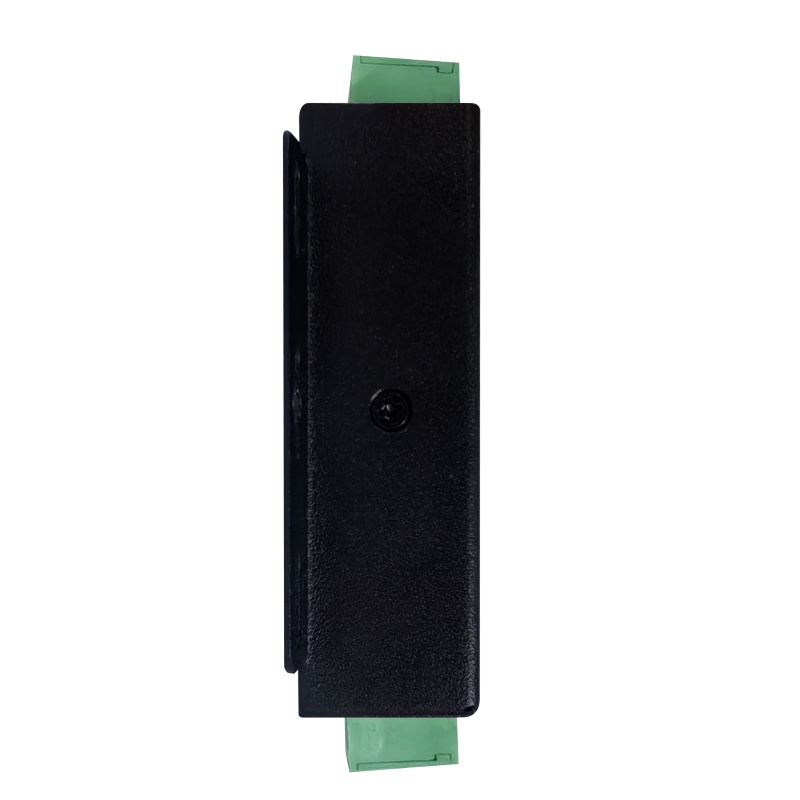
4g cellular modem
6. Protocol Translation vs. Tunneling – Choosing the Right Strategy
Not all mappings are equal. In transparent tunneling mode, the industrial cellular modem forwards raw RTU hex over a TCP socket, and the cloud runs its own Modbus parser. In smart mapping mode, the modem decodes and re-encodes, reducing cloud compute costs. Most deployments prefer a hybrid: the modem performs basic scaling and validity checks, while the cloud handles historical analytics. The mapping table itself can be updated over-the-air, allowing remote reconfiguration without physical access to the serial cable.
7. QoS and Traffic Shaping for Reliable Delivery
Cloud platforms throttle incoming messages. The modem maps Modbus poll frequencies to cloud publish intervals—for example, polling every 200 ms but publishing only the median value every 5 seconds. This reduces data consumption and avoids rate-limiting errors. The LTE modem also prioritizes alarm-triggered frames (e.g., over-temperature) by inserting them into a high-priority queue, which bypasses the normal publish schedule. This QoS mapping is defined in the modem’s rule engine using simple condition-action pairs.
8. Diagnostics and Heartbeat Mapping
Every successful map produces a heartbeat that contains signal strength, uptime, and last successful cloud ACK. The modem embeds this diagnostic metadata as extra fields in the MQTT payload, separate from the RTU data. Cloud dashboards can then correlate network health with sensor values. If the heartbeat fails five consecutive times, the modem falls back to a secondary cloud endpoint—this failover logic is part of the mapping state machine, ensuring that the RTU-to-cloud chain remains resilient even under adverse cellular conditions.
9. Firmware Upgrade and Mapping Evolution
As cloud APIs change, the mapping rules must evolve. The industrial 4G modem supports delta firmware updates that only modify the parsing library and the JSON template. No change is required on the RTU side—the master continues to send standard Modbus requests. This decoupling is the ultimate benefit of a well-designed mapping layer. With each update, the modem recalculates checksums and revalidates the mapping table before applying the new rules, guaranteeing zero downtime during the transition.
10. Final Architecture – A Reference Implementation
In production, place the modem between the RS-485 bus and the cellular antenna. Configure the serial baud rate, parity, and stop bits to match the slave. On the cloud side, set up an MQTT broker with client authentication. The modem’s web interface displays live mapping: raw hex → scaled value → published topic. Monitor the logs to verify that every read request receives a cloud acknowledgment within the defined timeout. This architecture, powered by a reliable industrial cellular modem, transforms legacy RTU networks into cloud-native data streams without rewriting a single line of PLC logic.
Fujian C-TOP Electronics Co., Ltd. has long been dedicated to the research and manufacturing of digital campus information terminals, IoT devices, and system platforms. After years of R&D investment and development, the enterprise is now at the forefront of the same industry in the field of campus informatization, and is one of the largest suppliers of intelligent electronic student ID cards in China. Among the campus informationization projects tendered by more than ten provincial and municipal operators in China, they were all ranked first or second as the winning bidder.