

Global Positioning System (GPS) satellites cannot penetrate building materials effectively. When a child enters a school, shopping mall, or friend's apartment, traditional satellite signals fade or disappear entirely. This creates a dangerous blind spot for parents using location wearables. A kids smart watch that relies only on GPS becomes invisible the moment the child walks through a doorway. Fortunately, a kids GPS watch equipped with 4G LTE uses multiple supplementary technologies to maintain location awareness indoors. For any junior smart watch, the cellular network provides the critical bridge between outdoor satellite tracking and indoor positioning. This article explains how a smartwatch lte leverages cell towers, Wi-Fi fingerprints, and sensor fusion to track your child inside buildings – capabilities that a standard android smartwatch without active cellular service cannot match.
Cellular Triangulation: How a Kids Smart Watch Uses Towers for Indoor Position
When satellite signals drop, a kids smart watch immediately switches to Cellular Positioning System (CPS) technology. A kids GPS watch with 4G LTE measures the time it takes for signals to travel between the device and multiple nearby cell towers. For a junior smart watch, the 4G network provides faster and more frequent signal exchanges than older 3G systems. A smartwatch lte typically communicates with three or more towers simultaneously, using a method called Advanced Forward Link Trilateration. The kids smart watch calculates approximate position based on signal timing differences, achieving 50–150 meter accuracy indoors. While less precise than outdoor GPS, this tells you whether your child is inside the school building versus across the street. An android smartwatch without its own cellular radio cannot perform this calculation independently.Wi-Fi Positioning: Passive Scanning on Your Kids GPS Watch
Modern 4G LTE chipsets include integrated Wi-Fi scanning capabilities. A kids smart watch can silently listen for nearby Wi-Fi access points without connecting to them. Each access point has a unique Basic Service Set Identifier (BSSID) – essentially a hardware address. A kids GPS watch uploads a list of visible BSSIDs to cloud servers over the 4G LTE connection. For a junior smart watch, these servers maintain massive databases mapping BSSIDs to geographic coordinates (compiled by mapping cars, user contributions, and street view imagery). A smartwatch lte typically achieves 20–50 meter accuracy indoors using Wi-Fi positioning. The process takes under three seconds from scan to result. An android smartwatch tethered to a phone can also scan Wi-Fi, but the kids smart watch does this autonomously without requiring a paired device nearby.Assisted GPS (A-GPS): Accelerating Indoor-to-Outdoor Transitions
When a kids smart watch emerges from an indoor space, it needs to reacquire GPS satellites quickly. The 4G LTE network provides Assisted GPS (A-GPS) data to your kids GPS watch – including satellite ephemeris, almanac, and approximate time offset. For a junior smart watch, this assistance reduces Time To First Fix (TTFF) from 60 seconds to under 5 seconds. A smartwatch lte downloads A-GPS data over the cellular connection without using battery-draining satellite searches. The kids smart watch can then predict which satellites will be visible even before stepping outside. By contrast, an android smartwatch without active LTE must wait until it establishes a Wi-Fi connection to download assistance data, leaving tracking gaps during transitions.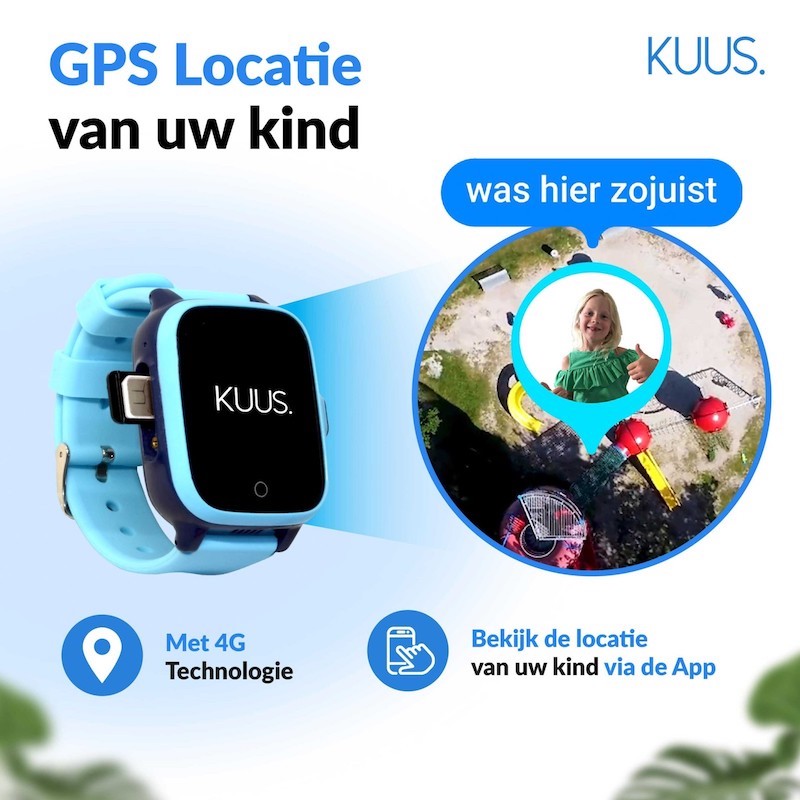
kids gps watch
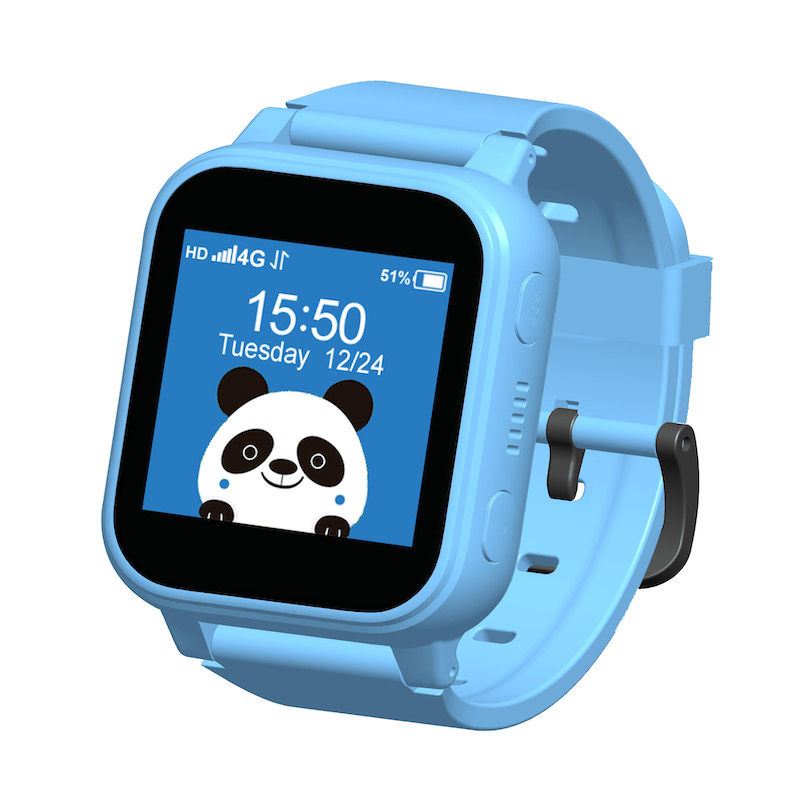
android smartwatch
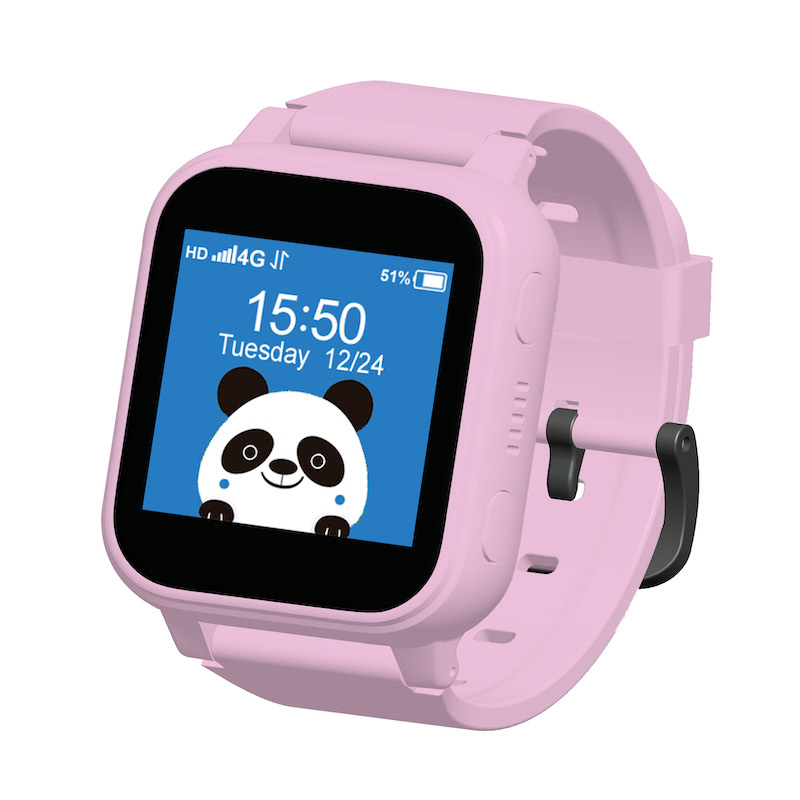
smartwatch lte
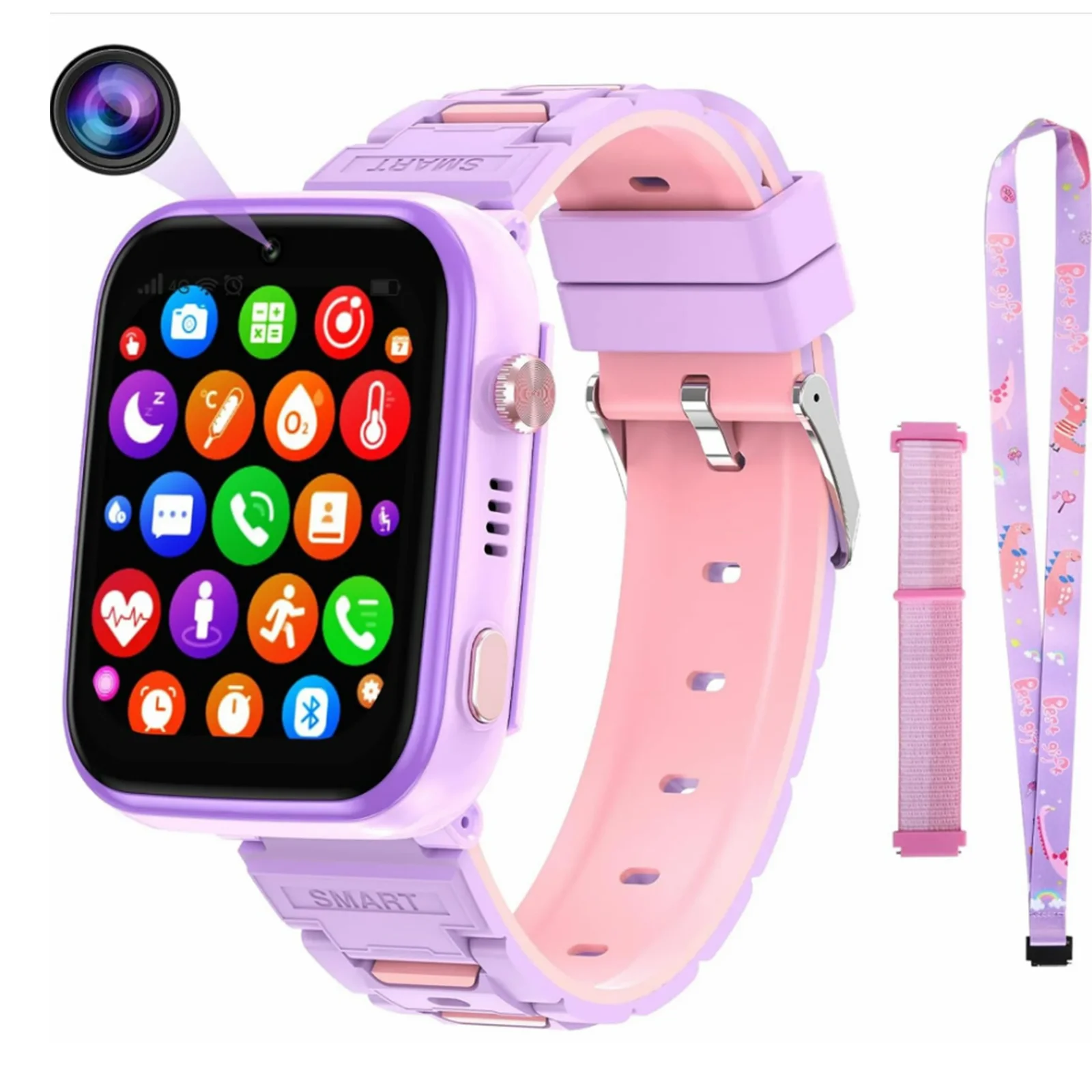
android smartwatch
Sensor Fusion: Combining Accelerometer and Barometer Data on a Junior Smart Watch
Advanced kids smart watch models integrate inertial sensors to bridge short tracking gaps. A kids GPS watch contains a 3-axis accelerometer that detects steps, direction changes, and floor transitions. For a junior smart watch, the 4G LTE connection allows the device to send raw sensor data to cloud algorithms that perform dead reckoning – estimating position based on last known point plus movement vectors. A smartwatch lte with a barometric altimeter can detect which floor your child occupies inside a multi-story building, as air pressure changes approximately 1 hPa per 8.5 meters of elevation gain. The kids smart watch combines barometer, accelerometer, and cellular triangulation to predict "third floor, northwest corner" rather than simply "inside the mall." An android smartwatch may have these same sensors, but a dedicated kids GPS watch optimizes battery usage by transmitting sensor data in bursts over LTE rather than processing everything locally.Real-World Indoor Performance: Shopping Malls and Schools
Testing a kids smart watch inside a concrete shopping mall reveals clear differences between tracking technologies. Standalone GPS on a kids GPS watch fails completely within two minutes of entering. A junior smart watch using only Wi-Fi positioning might locate your child within 30 meters but cannot update if the child moves through areas without known access points. A smartwatch lte with cellular triangulation provides continuous updates every 10–30 seconds, showing movement from the food court to the electronics store. For school environments, a kids smart watch can distinguish between the classroom wing (east side) and the gymnasium (west side). Parents receive notifications when a kids GPS watch transitions between indoor zones. An android smartwatch left at home on a charger provides no indoor tracking at all – highlighting why a dedicated junior smart watch with 4G LTE is superior for active supervision.Limitations Parents Should Understand About Indoor Tracking
Even with 4G LTE, a kids smart watch has inherent indoor limitations. Thick concrete walls, elevators, and underground basements can block cellular signals completely. A kids GPS watch may show your child at the last known outdoor location for several minutes until the device exits the dead zone. For a junior smart watch, cellular triangulation accuracy degrades to 200–500 meters in rural indoor settings with sparse tower density. A smartwatch lte also consumes more battery when scanning for Wi-Fi and cell towers simultaneously – expect 15–20% battery drain per hour during active indoor tracking. An android smartwatch paired to a parent's phone might share the phone's indoor location (if the phone is nearby), but a kids smart watch operates independently. Therefore, set realistic expectations: indoor tracking tells you which building your child occupies, not which specific classroom desk.Technical Enhancements: 4G LTE-M and NB-IoT for Extended Indoor Coverage
Newer kids smart watch models support LTE-M (LTE for Machines) and NB-IoT (Narrowband Internet of Things) protocols. These 4G LTE variants operate at lower frequencies (e.g., 700 MHz instead of 1900 MHz), which penetrate building materials more effectively. A kids GPS watch using LTE-M can maintain a weak but usable signal through three concrete walls where standard LTE fails. For a junior smart watch, NB-IoT provides excellent indoor penetration at the cost of slower data speeds – sufficient for location pings but not for voice calls. A smartwatch lte with dual-mode support switches automatically between standard LTE for voice and LTE-M for indoor tracking. An android smartwatch rarely includes these IoT-focused bands, giving dedicated kids smart watch devices a distinct advantage in challenging indoor environments.Practical Tips to Maximize Indoor Tracking Performance
To get the best indoor location data from your kids smart watch, follow these guidelines. First, enable "indoor positioning mode" in the parent app – this forces the kids GPS watch to scan Wi-Fi and cell towers every 15 seconds instead of every 60 seconds. Second, on your junior smart watch, keep Wi-Fi scanning active even when Wi-Fi is disconnected (a separate setting from "Wi-Fi on"). Third, for a smartwatch lte, upload your home and school floor plans to compatible apps like AngelSense or Jiobit – these use Bluetooth beacon mapping for room-level accuracy. Fourth, place a kids smart watch on the child's dominant wrist (less signal obstruction from body mass). Finally, ensure your kids GPS watch has an active data plan with at least 500 MB monthly for indoor tracking – each Wi-Fi scan and cellular ping consumes approximately 50 KB per location event. An android smartwatch used as a backup tracker should be set to share its location via the parent's phone hotspot, but a dedicated junior smart watch remains the superior solution for autonomous indoor tracking.Conclusion: 4G LTE Transforms Indoor Safety Monitoring
Indoor tracking would be nearly impossible without cellular network assistance. A kids smart watch uses 4G LTE to combine cellular triangulation, Wi-Fi fingerprinting, and sensor fusion into a cohesive location picture. While a kids GPS watch loses satellite signals inside buildings, the same device immediately switches to LTE-dependent positioning methods. For a junior smart watch, the result is continuous tracking that tells you which store, school wing, or friend's apartment your child occupies. A smartwatch lte achieves 20–150 meter indoor accuracy depending on building construction and tower density – sufficient for practical safety monitoring. Compared to an android smartwatch that may lack autonomous cellular service, a dedicated kids smart watch with 4G LTE provides the only reliable method for maintaining location awareness when roofs and walls block the sky.