

In the world of wireless connectivity, consumers often face a confusing choice when seeking internet access outside traditional broadband. Two devices that frequently get mentioned are the fixed cellular terminal and the portable mobile hotspot. While both use SIM cards and 4G LTE networks to provide internet, their design philosophy, use cases, and performance characteristics are fundamentally different.
Understanding these differences is crucial for businesses setting up remote offices or homeowners seeking reliable rural connectivity. Here is a breakdown of how a dedicated fixed wireless terminal 4g device compares to the pocket-sized hotspot you might carry in your bag.
Primary Purpose: Stationary vs. Portable
The most significant difference lies in their intended environment. A mobile hotspot is designed for nomadic use. It has a small battery, fits in a pocket, and is meant to provide temporary connectivity for a few devices while commuting, traveling, or during short meetings.
In contrast, a fixed cellular terminal is designed to be a stationary, permanent solution. It is typically powered by a wall outlet (not a battery) and serves as the primary internet source for a home, office, or RV. Unlike a hotspot, which moves with you, the fixed cellular terminal 4g stays put, acting as a permanent gateway between the cellular network and your local wired devices.
Hardware and Antenna Power
Because a mobile hotspot prioritizes portability, it uses small, internal antennas. This limits its ability to capture weak signals. If you are in a fringe coverage area, a mobile hotspot will struggle to maintain a stable connection.
A dedicated fixed wireless terminal takes the opposite approach. These units are larger specifically to accommodate high-gain, external antenna ports. By connecting a rooftop or window-mounted antenna, the fixed wireless terminal 4g can lock onto distant cell towers that a mobile hotspot cannot even see. This makes the fixed terminal the superior choice for rural locations where signal strength is marginal.
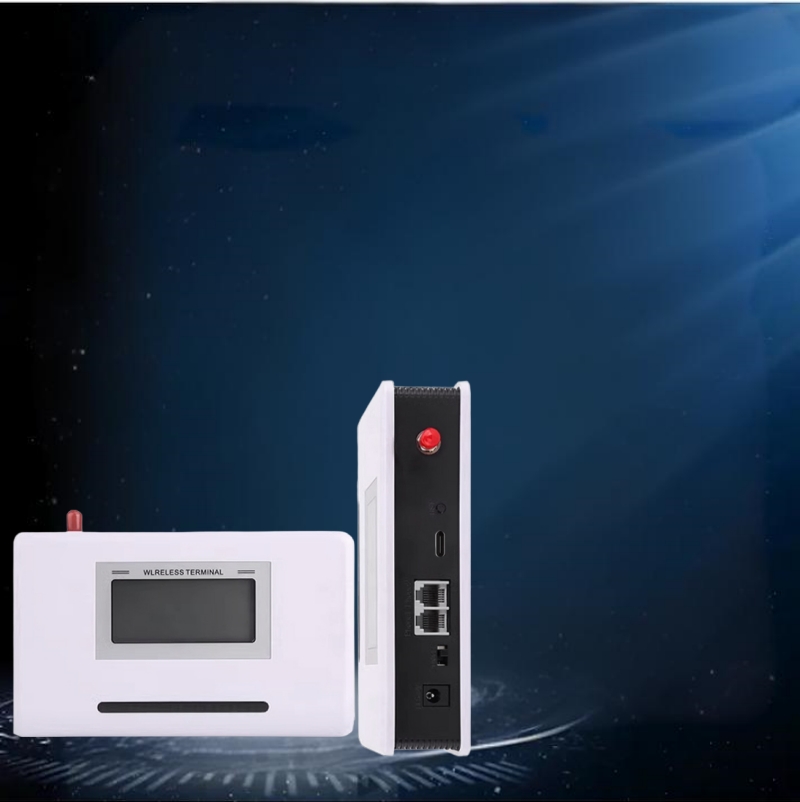
fixed wireless terminal
fixed wireless terminal 4g
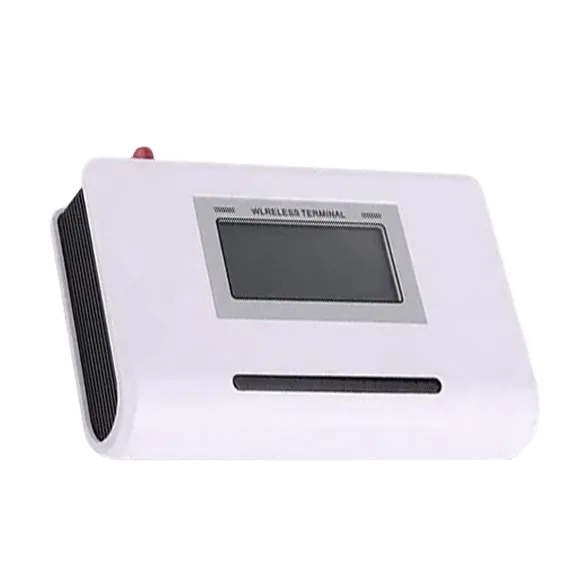
fixed cellular terminal
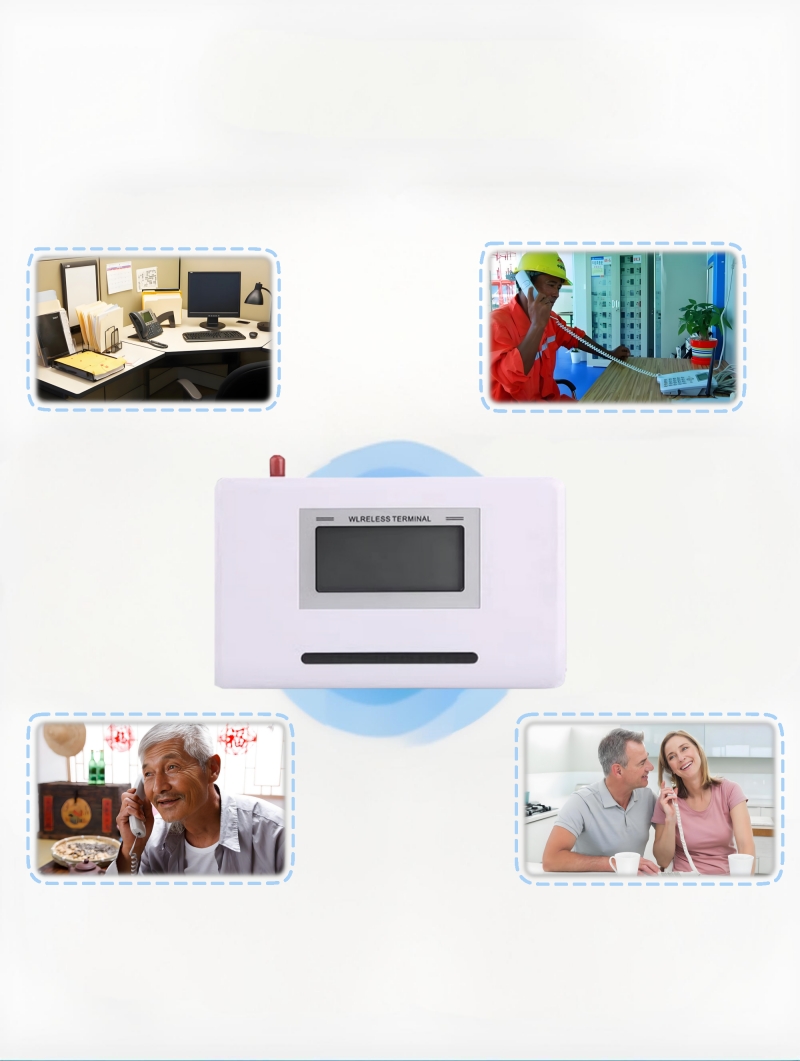
fixed cellular terminal 4g
Capacity and WiFi Coverage
Mobile hotspots are limited by their size. They usually support between 5 and 10 simultaneous WiFi users before overheating or slowing down. Their internal WiFi transmitters are low-power, meaning the signal degrades quickly if you move to another room.
A fixed cellular terminal is built like a home router. It features powerful WiFi amplifiers and multiple ethernet ports. It can support dozens of devices simultaneously—streaming TVs, security cameras, and computers—without breaking a sweat. If you need to blanket an entire house or office in WiFi, the fixed cellular terminal 4g is the appropriate tool.
Use of Ethernet and LAN Features
Mobile hotspots rarely include ethernet ports. They are designed for wireless-only connectivity. This limits their integration with existing wired infrastructure like printers, VoIP phones, or network switches.
The fixed wireless terminal is built for integration. It includes multiple Gigabit ethernet ports, allowing you to create a reliable wired backhaul for critical devices. This is essential for businesses running point-of-sale systems or home offices requiring low-latency wired connections. The fixed cellular terminal essentially acts as the central brain of your local network.
While both devices leverage 4G technology, they serve different masters. The mobile hotspot is your travel companion for short-term, on-the-go access. The fixed cellular terminal 4g is your home or office's broadband backbone, offering superior range, capacity, and reliability.
Choosing the right device depends on your lifestyle. For permanent, high-demand connectivity, a fixed wireless terminal is the only logical choice.