

Battery life remains the Achilles' heel of modern tracking technology. For users who rely on a gps tracker for security or asset management, frequent charging is not just an inconvenience—it can be a liability if the device dies during a critical moment. Whether you are protecting a fleet or monitoring a personal vehicle, understanding how to maximize battery performance is essential.
The good news is that 2026 technology offers several strategies to keep your devices powered longer. From intelligent software settings to hardware innovations, here is how you can significantly extend the runtime of your gps tracker for car without sacrificing security.
Optimize the Reporting Frequency
The single biggest drain on any car tracker battery is data transmission. Every time the device "wakes up" to ping its location to the server, it consumes a burst of power. The solution lies in smart configuration.
For most applications, you do not need real-time updates every 10 seconds. By adjusting the reporting interval, you can achieve massive battery savings. A vehicle gps tracker set to report every 60 seconds might last a few days, but extending that interval to every 5 minutes can stretch battery life to weeks. Many modern devices allow for dynamic reporting—updating frequently when the vehicle is moving, but switching to "sleep mode" with hourly updates when the ignition is off.
Utilize Advanced Power-Saving Modes
Modern gps tracker devices are equipped with sophisticated power management features that go beyond simple time intervals. Look for devices that offer Motion-Activated Tracking.
Using built-in accelerometers, the tracker can detect when the vehicle is stationary. In this state, it can enter a deep sleep, shutting down non-essential circuits and only performing minimal checks. When the accelerometer senses movement or vibration, the gps tracker for car instantly wakes up and resumes high-frequency reporting. This ensures that the battery is conserved during long periods of inactivity (like overnight parking) but is fully alert when the vehicle is on the move.
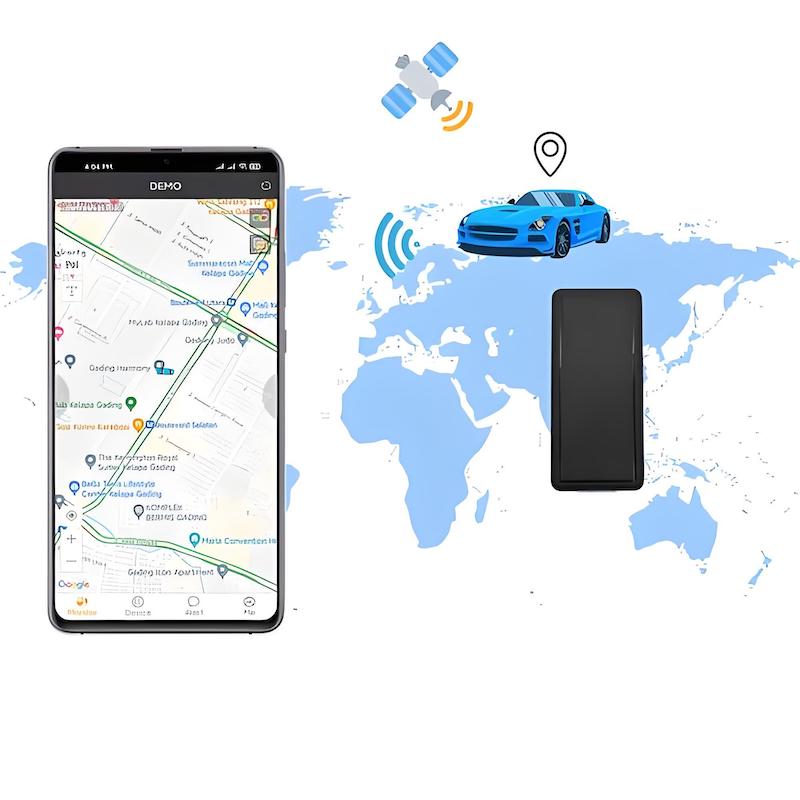
car tracker
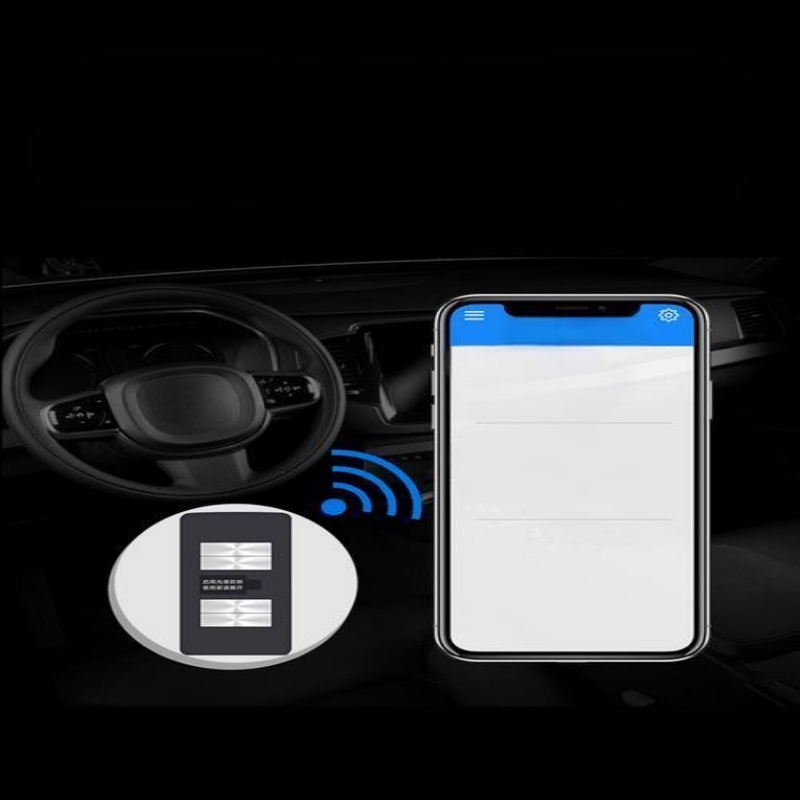
vehicle gps tracker

gps tracker for car
Leverage Network Assistance (A-GPS)
Waiting for a satellite lock is a power-hungry process. A cold start, where the car tracker has no idea which satellites are overhead, can take minutes and drain significant energy while the receiver searches the sky.
This is where Assisted GPS (A-GPS) becomes invaluable. A 4G-enabled vehicle gps tracker downloads satellite orbit data directly from the cellular network in milliseconds. This allows the GPS receiver to lock onto signals almost instantly, reducing the "time to first fix" from minutes to seconds. By minimizing the duration the GPS radio stays active, A-GPS can dramatically extend overall battery life.
Hardware Efficiency and Battery Capacity
Sometimes, the best software cannot fix inefficient hardware. When selecting a device, pay attention to the battery specifications. Look for high-density Lithium-Ion or Lithium-Polymer batteries with large mAh (milliampere-hour) ratings. A tracker with a 10,000mAh battery will inherently outlast one with a 2,000mAh pack.
Furthermore, newer chipsets are designed specifically for IoT applications. These low-power components consume microamps during sleep mode and operate efficiently during transmission. Investing in a modern gps tracker ensures you benefit from these hardware advancements.
Consider External Power Sources
For applications where "set and forget" is the goal, the ultimate solution is to bypass the internal battery altogether. Hardwiring a gps tracker for car directly into the vehicle's electrical system provides unlimited power. The device runs off the car's alternator and battery, ensuring 24/7 operation without ever needing a recharge.
For assets without a power source, consider devices with solar charging capabilities. While not suitable for hidden installations, solar-assisted vehicle gps tracker units placed on trailers or construction equipment can theoretically operate indefinitely by harvesting energy during daylight hours.
Battery life no longer has to be a constant worry. By intelligently configuring reporting intervals, utilizing motion sensors, leveraging A-GPS technology, and selecting efficient hardware, you can ensure your gps tracker remains operational for weeks or even months on a single charge.
Whether you need a discreet car tracker for personal security or a rugged vehicle gps tracker for fleet logistics, prioritizing these power-saving features will provide the reliability and peace of mind you deserve.
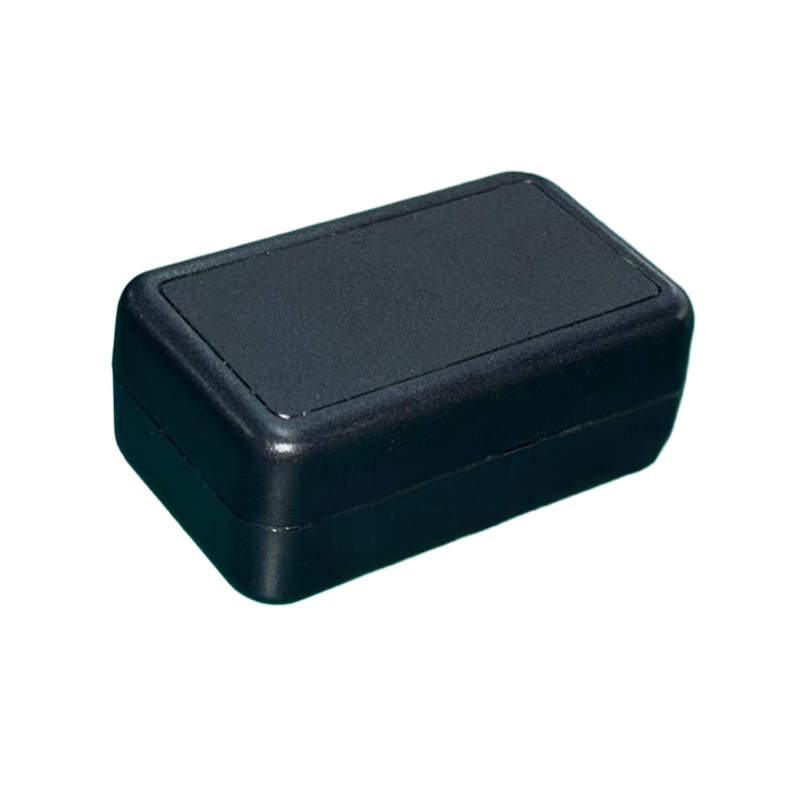
car tracker
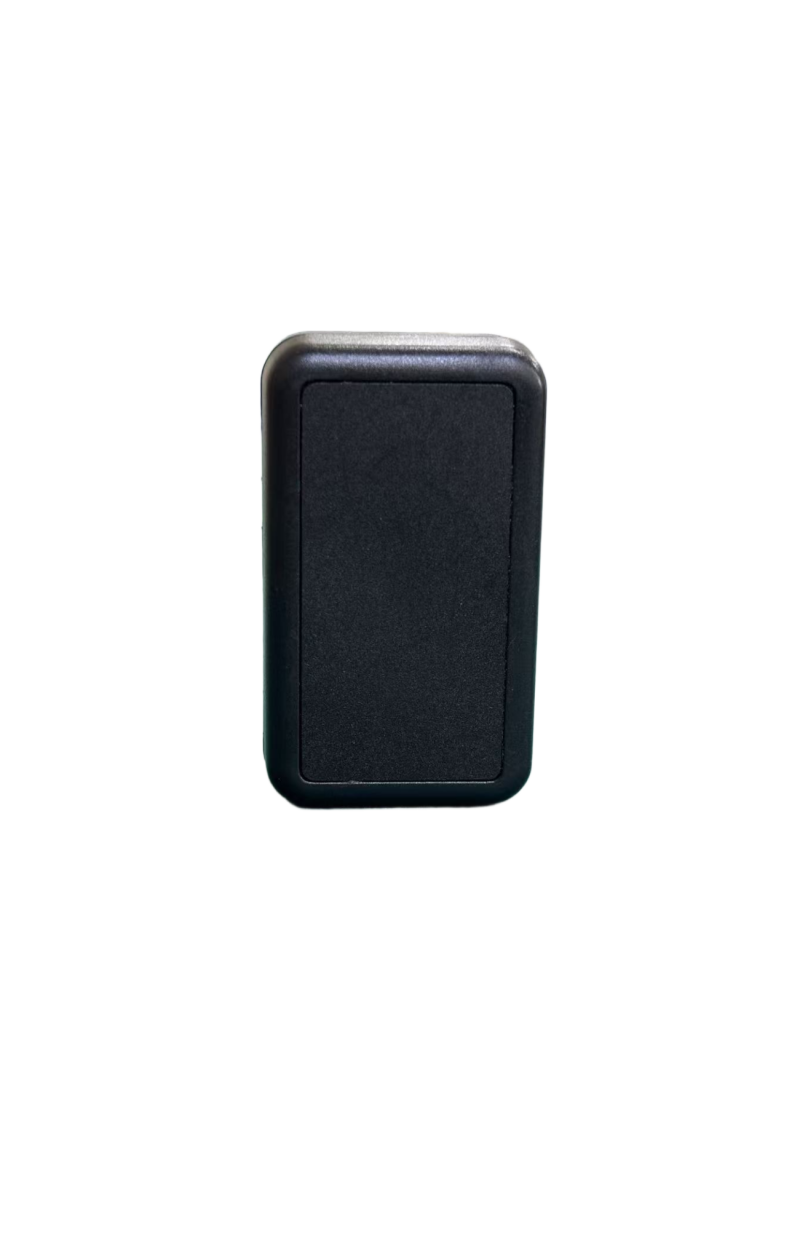
vehicle gps tracker