

The tracking industry is at a crossroads. For years, 2G and 3G networks served as the reliable backbone for millions of devices worldwide. However, with telecommunication giants aggressively sunsetting these legacy networks, the mantle is being passed. The question on every fleet manager and consumer's mind is whether 4G LTE possesses the necessary capabilities to not only replace, but improve upon the old standards of high-accuracy tracking.
As we move through 2026, the evidence strongly suggests that 4G is not just a temporary stopgap, but the new gold standard. But does the shift to 4G automatically mean better accuracy for your gps tracker? The answer lies in the symbiotic relationship between faster data pipes and smarter positioning technology.
The Speed Factor: More Than Just Faster Maps
The most immediate benefit of 4G LTE for a gps tracker for car is bandwidth. Older 2G/3G networks had severe limitations on data payloads. To function, they often had to send small, compressed packets of location data. This occasionally led to "snap-back" effects where the track would jump from point to point.
With 4G, a car tracker can transmit significantly more data per second. This allows for the integration of Raw Data logging. Instead of just sending a processed coordinate, the device can send raw satellite measurements to the server. Cloud-based algorithms can then apply complex corrections to this raw data, refining the position to sub-meter accuracy—a process that was simply impossible on narrow bandwidths.
Assisted GPS: Leveraging the Network
A key reason 4G is becoming the standard for high-accuracy vehicle gps tracker units is Assisted GPS (A-GPS) . Traditional GPS requires a device to download orbital information (ephemeris data) directly from satellites, a process that can take 30 to 60 seconds in cold-start conditions and requires a very clear sky view.
A 4G-enabled device bypasses this bottleneck. It downloads this same data via the high-speed cellular network in milliseconds. This provides two massive accuracy benefits:
Faster Fixes: The gps tracker locks onto your location almost instantly.
Better Sensitivity: By knowing exactly which satellites to look for and where they are, the receiver chip can lock onto weaker signals in challenging environments (like urban canyons or dense forests) that would have stumped a 3G device.
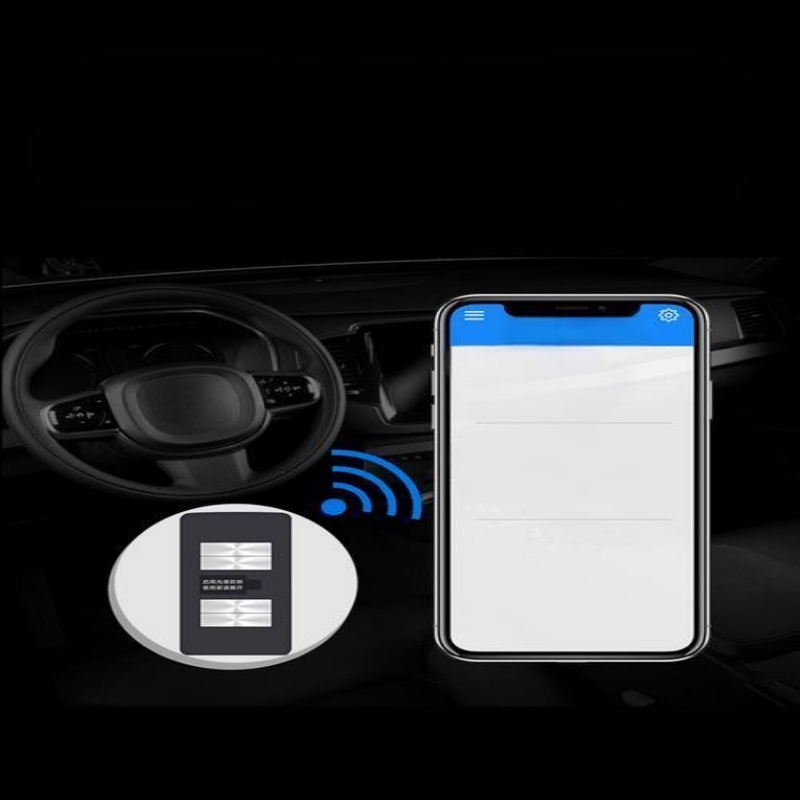
gps tracker
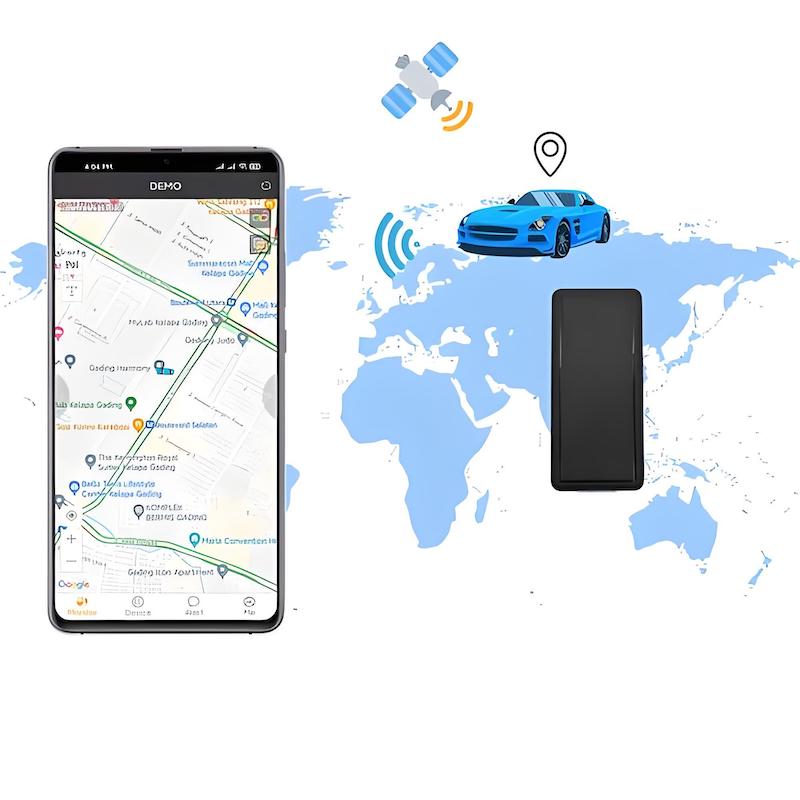
car tracker
vehicle gps tracker
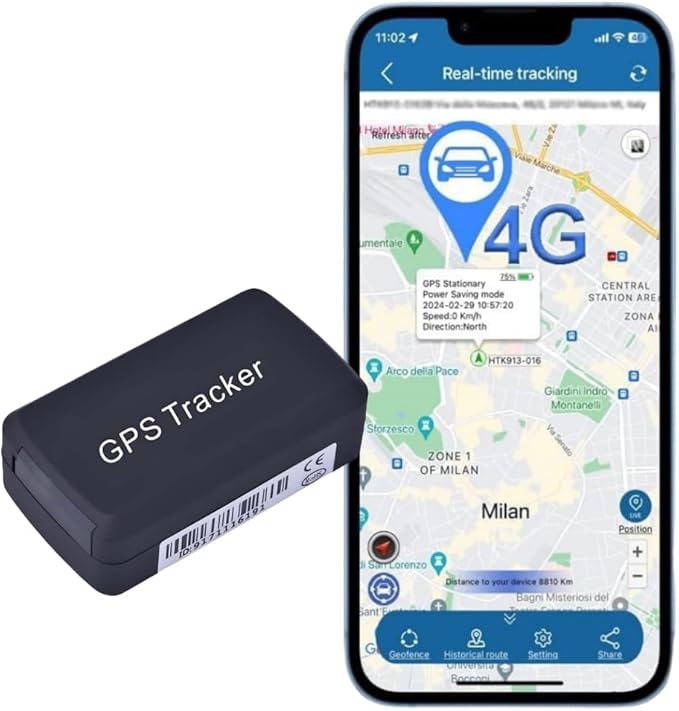
gps tracker for car
The Multi-Constellation Advantage
Modern 4G chipsets are almost universally paired with multi-constellation GNSS receivers . Unlike old devices that relied solely on the US GPS network, a new gps tracker for car can simultaneously connect to GPS, Russia's GLONASS, Europe's Galileo, and China's BeiDou.
Having access to over 20-30 satellites at once dramatically improves geometric diversity. This means that even if half the sky is blocked by buildings or terrain, the device still has enough satellites in view to triangulate a highly accurate position. 4G LTE provides the speed to manage all this data simultaneously, making this multi-network synergy possible for the average car tracker.
Future-Proofing and Network Longevity
For a standard to be adopted, it must have longevity. 4G LTE networks are projected to be operational well into the 2030s. Telecom regulators view 4G as a "critical communications" infrastructure that will run parallel to 5G for decades.
Investing in a 4G vehicle gps tracker ensures that your device won't become a brick when the last 3G tower goes dark. It guarantees that the "always-on" connection required for real-time geofencing alerts and live tracking remains active. The stability and widespread coverage of 4G make it the logical foundation for high-stakes tracking applications.
Is 4G LTE the new standard for high accuracy? Absolutely. It provides the necessary bandwidth for enhanced data processing, the speed for instant A-GPS fixes, and the compatibility for global multi-constellation systems. While 5G looms on the horizon for consumer phones, the reliability, coverage, and cost-effectiveness of 4G make it the perfect powerhouse for modern tracking.
When selecting a gps tracker for car security or fleet management in 2026, insisting on 4G LTE capability is the only way to guarantee you are getting the highest possible accuracy and a future-proof investment.