

The transition from traditional manual recording to connected health devices has redefined clinical data management. Among these innovations, the FDA-cleared 4G scale stands as a critical tool for remote patient monitoring. These devices do not merely measure weight; they authenticate, encrypt, and transmit vital signs directly into electronic health records (EHR) with zero manual intervention. The clinical safety of this data pipeline depends on rigorous engineering, cybersecurity protocols, and regulatory compliance that begins at the hardware level and extends through cloud storage.
Regulatory Backbone: Why FDA Clearance Matters
FDA clearance for a 4G scale is not a superficial badge; it signifies that the device has undergone substantial equivalence testing against predicate devices. This process mandates that the scale’s software algorithms for data filtering, motion artifact rejection, and biometric identification meet strict accuracy thresholds. For instance, the clearance requires that the scale’s internal processor distinguishes between patient movement and genuine weight fluctuations, thereby preventing erroneous readings from populating medical charts. This regulatory layer ensures that every data packet sent via 4G networks maintains clinical integrity, reducing the risk of misdiagnosis due to transmission errors.
Encryption and Authentication Protocols
Data safety begins with end-to-end encryption (AES-256) during transmission. When a patient steps onto an ai weighing scale, the device activates a multi-factor authentication handshake with the base station. The 4G module establishes a Virtual Private Network (VPN) tunnel before any payload is dispatched, ensuring that interceptors cannot decipher patient identifiers or weight values. Moreover, the scale generates a unique session key for each weighing event, which expires after 60 seconds. This temporal security mechanism is particularly vital for home-use devices, where unprotected Wi-Fi networks are common. The FDA mandates that these cryptographic measures be validated through third-party penetration testing, and the results must be submitted biannually for recertification.
Real-Time Error Correction and Redundancy
Clinical safety also depends on the scale’s ability to self-correct during transmission. A wireless weighing scale equipped with 4G employs forward error correction (FEC) codes that rebuild corrupted data packets without requesting retransmission. This is crucial in hospital environments where electromagnetic interference from MRI machines or infusion pumps can distort signals. The scale buffers up to 500 measurements locally, so if the 4G signal drops, the data is time-stamped and queued for later delivery. Upon reconnection, the scale verifies chronological order and discards any duplicate entries using a checksum algorithm. This redundancy guarantees that clinicians receive a complete, chronological weight trajectory without gaps or artifacts.
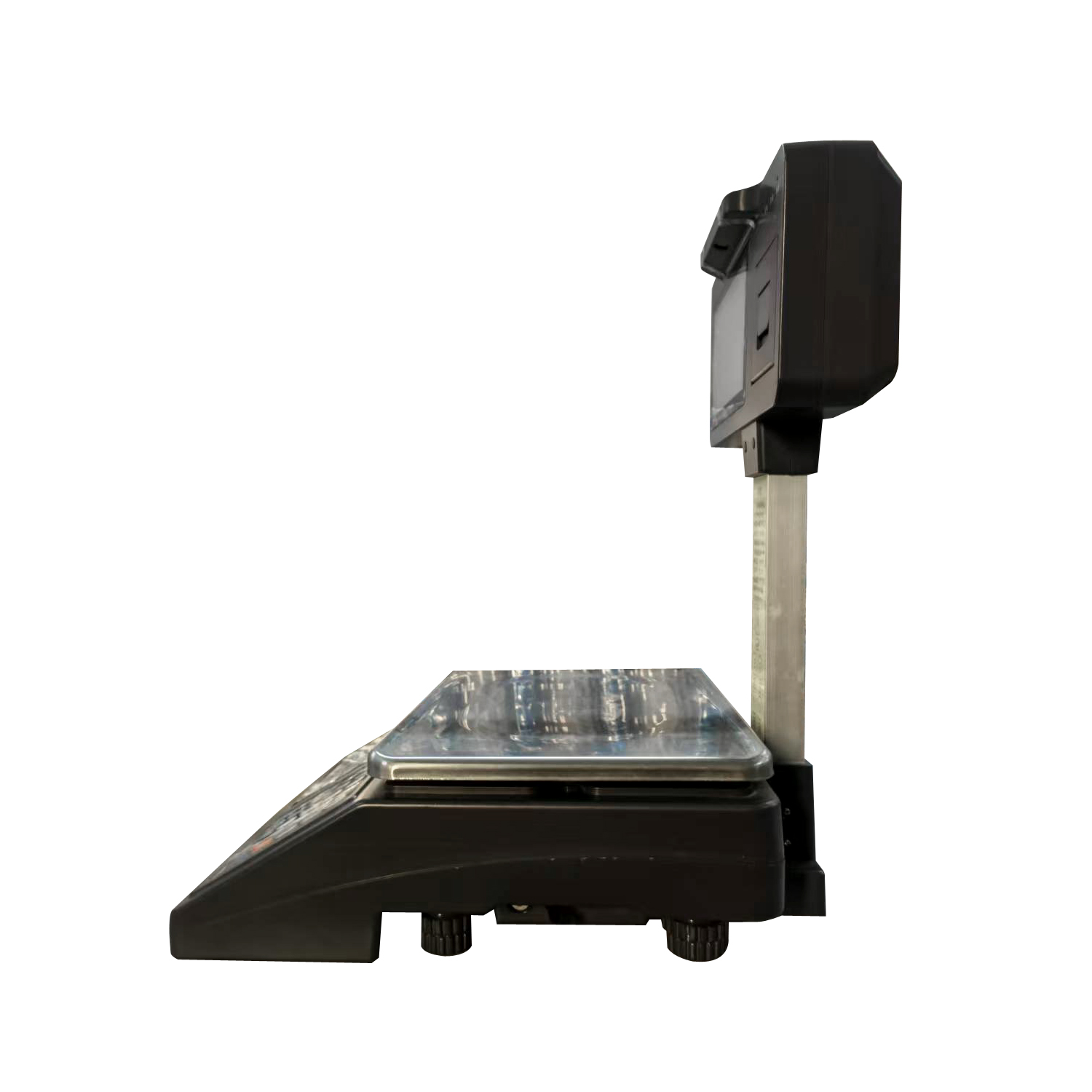
ai weighing scale
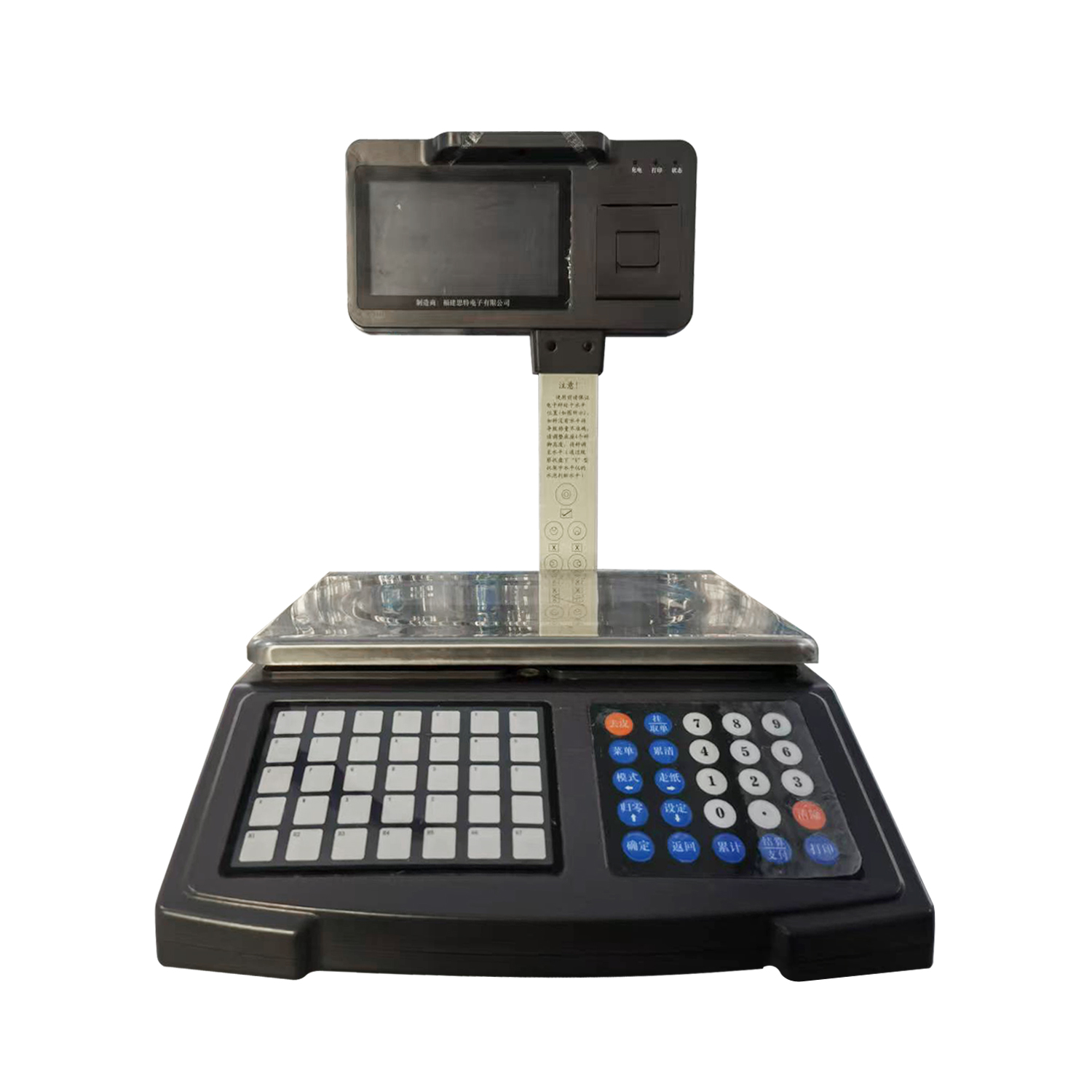
wireless weighing scale
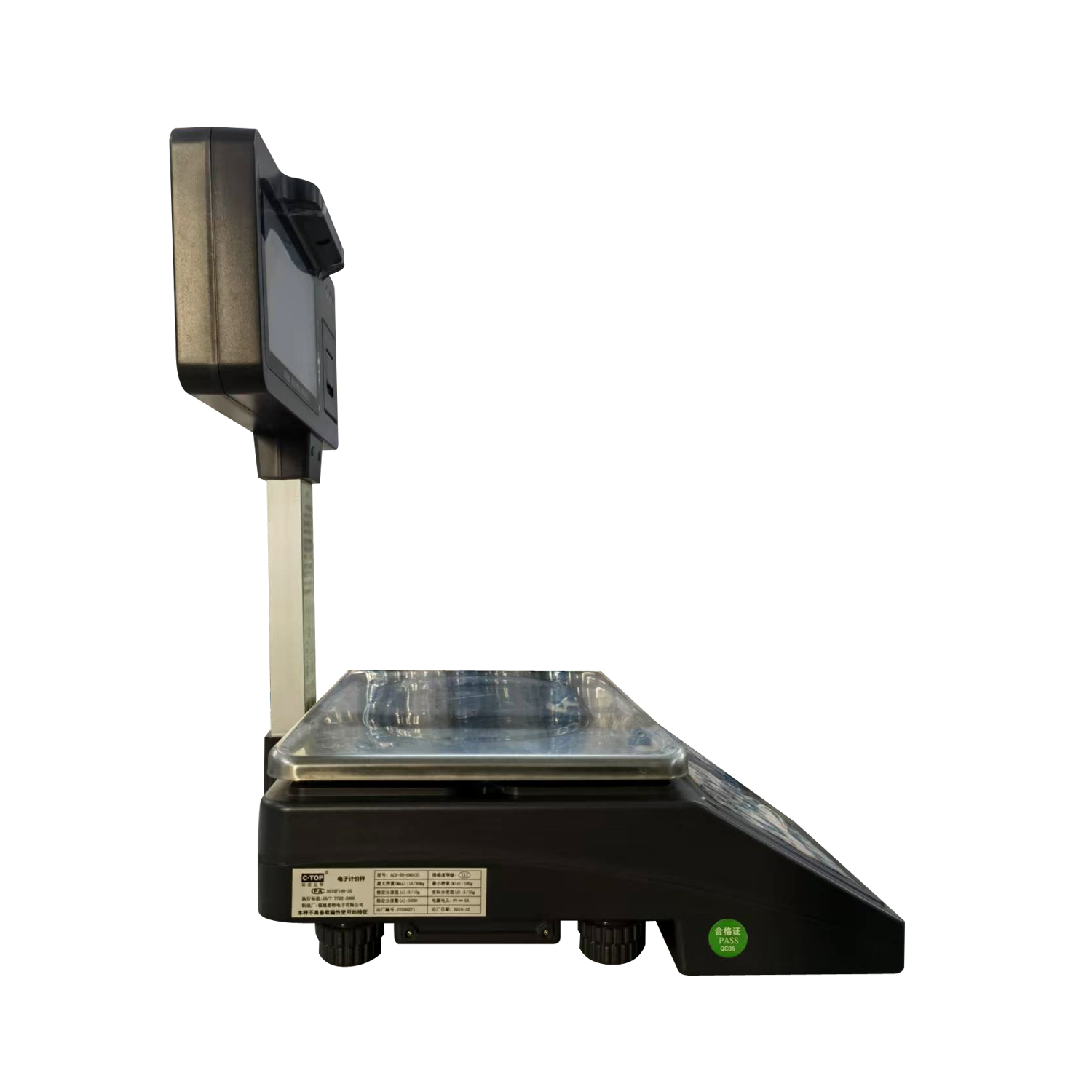
wireless weighing machine
Patient Identification and Biometric Binding
To prevent data mix-ups in multi-patient settings, the FDA-cleared 4G scale integrates biometric recognition—often via impedance analysis or foot-plate pressure mapping. Once a patient’s profile is matched, the scale binds that identity to the weight measurement using a hash function. In a wireless weighing machine, this binding is critical because it eliminates manual entry errors, which account for over 30% of documentation mistakes in observational studies. The 4G module then transmits the hashed identifier alongside the weight, allowing the EHR to cross-verify against the patient’s active medication list. If the scale detects a weight change exceeding 5% from baseline, it triggers an automated alert to the care team, enabling proactive intervention.
Network Stability and Latency Management
The 4G protocol offers deterministic latency below 100 milliseconds, which is essential for time-sensitive applications such as perioperative fluid management. Unlike Bluetooth or Wi-Fi, 4G operates on licensed spectrum bands, reducing interference from consumer electronics. This reliability is non-negotiable for an industrial weighing scale used in bariatric clinics or long-term care facilities, where multiple devices share the same cell tower. The scale performs a continuous signal-to-noise ratio (SNR) test every 30 seconds; if SNR falls below 25 dB, the device switches to a secondary carrier automatically. This failover mechanism ensures that data packets are never lost during handoffs between cell towers, preserving chronological consistency across shifts.
Audit Trails and Non-Repudiation
Every data transmission from a FDA-cleared 4G scale generates a cryptographically signed audit log, including timestamp, GPS-derived location (optional), firmware version, and battery level. This log serves as legal evidence in case of disputes, satisfying HIPAA and GDPR requirements for data provenance. For an industrial weighing machine deployed in clinical research, these logs are indispensable because they allow sponsors to reconstruct the exact conditions of each measurement. The 4G module also transmits a heartbeat signal every 5 minutes, confirming that the device is online and calibrated. If a heartbeat is missed, the central server marks that time window as “unreliable,” and the clinician is notified to schedule a manual check.
Firmware Over-the-Air (FOTA) Updates
Cybersecurity is not static; therefore, the FDA requires that 4G scales support FOTA updates to patch vulnerabilities. These updates are signed with a digital certificate from the manufacturer and are installed only during low-usage hours, as defined by the facility’s schedule. The update process includes a rollback feature—if the new firmware fails validation checks (e.g., ADC linearity or load-cell drift), the scale reverts to the previous version within 2 minutes. This self-healing capability is especially valuable for a wireless weighing scale deployed in decentralized clinical trials, where IT support may not be immediately available. The FDA reviews the FOTA protocol as part of the 510(k) submission, ensuring that update interruptions do not compromise stored data.
FDA-cleared 4G scales achieve clinically safe data through a layered architecture—regulatory compliance, hardware redundancy, cryptographic encryption, real-time error correction, biometric binding, network resilience, audit trails, and secure updates. Each component is rigorously tested to withstand signal degradation, cyberattacks, and human error. As telehealth expands, these scales will continue to evolve, but their foundational principle remains unchanged: patient safety depends on data that is accurate, attributable, and tamper-proof from the moment of measurement to the final clinical decision.
Fujian C-TOP Electronics Co., Ltd. has long been dedicated to the research and manufacturing of digital campus information terminals, IoT devices, and system platforms. After years of R&D investment and development, the enterprise is now at the forefront of the same industry in the field of campus informatization, and is one of the largest suppliers of intelligent electronic student ID cards in China. Among the campus informationization projects tendered by more than ten provincial and municipal operators in China, they were all ranked first or second as the winning bidder.