

When parents choose a kids smart watch with health features, the heart rate sensor often raises questions. How can a small device on a child's wrist measure pulse accurately during running, sleeping, or studying? A modern kids GPS watch uses photoplethysmography (PPG) – a technology that shines light into the skin to detect blood volume changes. For any junior smart watch, the 4G LTE component does not directly measure heart rate, but it transmits that data to parents in real time. Unlike a general-purpose android smartwatch designed for adults, a child-specific smartwatch lte must account for smaller wrists, faster movement, and varying skin tones. This article explains the optical, algorithmic, and connectivity layers that enable accurate heart rate tracking on a kids smart watch.
Optical Sensors: How Green Light Measures Blood Flow on a Kids GPS Watch
The core of any kids GPS watch heart rate system is an LED array, typically emitting green and infrared light. When the heart pumps blood, capillaries expand and contract, changing how light reflects off the skin. A kids smart watch detects these microscopic changes using a photodiode. For a junior smart watch, green light works best during activity because it absorbs well into blood-rich tissue. An android smartwatch might use red or infrared for SpO2, but a dedicated smartwatch lte for children prioritizes green PPG for continuous heart rate tracking. The 4G LTE chip itself does not sense the pulse, but it ensures every heartbeat measurement leaves the kids GPS watch and reaches the parent app within seconds.
Algorithmic Noise Cancellation: Filtering Motion Artifacts on a Junior Smart Watch
Children move differently than adults. A kids smart watch experiences rapid arm swings, jumps, and vibrations that create motion artifacts in the optical signal. To compensate, a kids GPS watch runs real-time algorithms that separate actual blood volume changes from movement noise. For a junior smart watch, these algorithms compare accelerometer data (knowing the wrist is moving) with PPG data (the raw light signal). A smartwatch lte can offload complex filtering to cloud servers using the 4G connection, saving battery on the device. By contrast, an older android smartwatch without LTE might process everything locally, draining power faster. The kids smart watch achieves higher accuracy by learning your child's unique movement patterns over time.
Resting vs. Active Heart Rate: What a Smartwatch LTE Measures During Different States
A kids GPS watch distinguishes between resting and active heart rate using motion sensors. When the junior smart watch detects stillness (sleeping or sitting in class), it samples heart rate every 5–10 minutes using infrared light, which is less intrusive. During high activity, a kids smart watch switches to green LED sampling every second. For a smartwatch lte, these measurements are tagged with timestamps and transmitted via 4G to the parent dashboard. An android smartwatch might display historical graphs locally, but a child-focused kids GPS watch sends alerts if heart rate exceeds a threshold set by parents. For example, if a junior smart watch detects 140 bpm during sedentary time, the parent receives a notification – potentially indicating anxiety, fever, or an emergency.
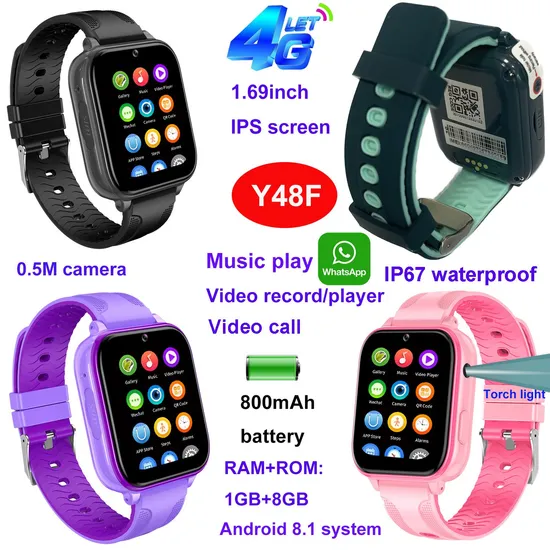
kids smart watch
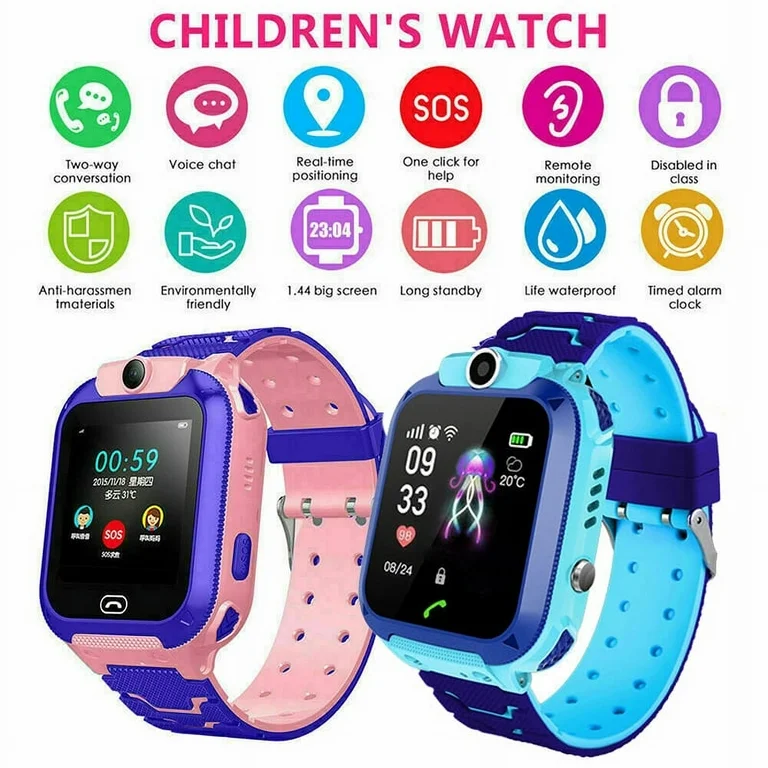
kids gps watch
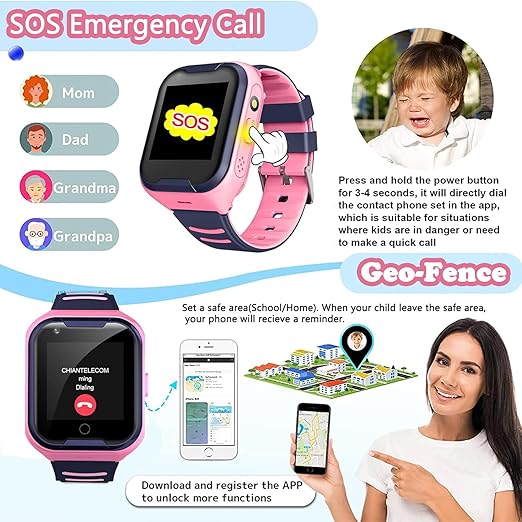
junior smart watch
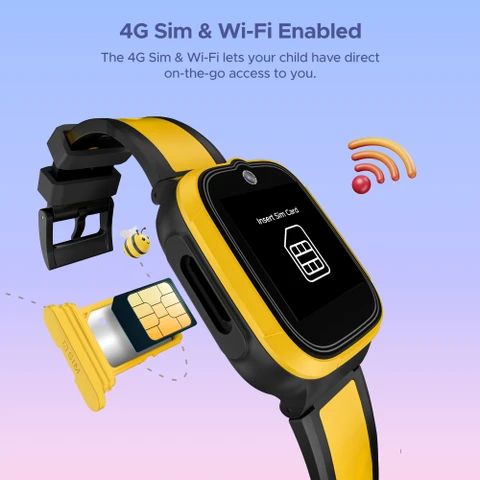
android smartwatch
The Role of 4G LTE in Real-Time Heart Rate Alerts and Telehealth Integration
The 4G LTE network does not measure heart rate, but it enables the most valuable feature: instant alerts. When a smartwatch lte detects abnormal heart rhythms or sustained high pulse, the data travels to a secure cloud server in under two seconds. From there, a kids smart watch parent app can trigger an SMS or push notification. For a kids GPS watch used by a child with known medical conditions (e.g., postural orthostatic tachycardia syndrome), this real-time transmission is lifesaving. A junior smart watch without LTE would store heart rate data locally, delaying alerts until the device connects to Wi-Fi. Even a premium android smartwatch paired to a phone fails if the phone is out of range. A dedicated smartwatch lte operates independently, making it superior for continuous health supervision.
Battery Optimization: How 4G LTE Affects Continuous Heart Rate Monitoring
Continuous heart rate tracking drains battery quickly. A kids GPS watch running PPG sampling every second while also maintaining a 4G LTE connection may last only 8–12 hours. To extend life, most junior smart watch devices use adaptive sampling: they cache heart rate data locally for 5–15 minutes and transmit in bursts over LTE. A smartwatch lte can also switch to low-power mode overnight, using infrared sampling every 20 minutes. An android smartwatch with a larger battery can afford continuous streaming, but a compact kids smart watch prioritizes efficiency. Parents should charge the kids GPS watch nightly and understand that real-time heart rate alerts consume more data than periodic location updates.
Practical Tips for Improving Heart Rate Accuracy on Your Smartwatch LTE
To get reliable readings from your kids smart watch, follow these steps. First, ensure the kids GPS watch fits snugly – one finger should fit under the strap, but the sensor must contact skin without gaps. Second, clean the optical sensor weekly; sunscreen, dirt, and sweat block light transmission. For a junior smart watch, avoid wearing it over clothing or on the dominant hand. Third, on a smartwatch lte, disable continuous heart rate during school hours if battery is a concern, but leave it on for sleep tracking. An android smartwatch companion app often allows custom zones; set your child's maximum expected heart rate (roughly 220 minus age). Finally, compare your kids smart watch readings with a manual pulse check (15 seconds multiplied by 4). If the kids GPS watch consistently shows errors above 15 bpm, contact the manufacturer for sensor calibration.
A kids smart watch with heart rate tracking offers parents insights beyond location. While the 4G LTE network transmits the data, the kids GPS watch PPG sensor and motion-filtering algorithms do the actual measurement. For a junior smart watch, accuracy is sufficient to detect fever-related tachycardia, extreme anxiety, or overexertion during sports. However, a smartwatch lte cannot replace a medical-grade pulse oximeter. Compared to a general android smartwatch, a child-specific kids smart watch adds simplified interfaces and pediatric-focused heart rate zones. With proper fit, regular cleaning, and realistic expectations, your kids GPS watch becomes a window into your child's physiological well-being – delivered to your phone in real time over 4G LTE.
Fujian C-TOP Electronics Co.,Ltd. with over 20 years of industry experience in wireless digital voice calling and the Internet of Things, we can help you quickly transform your ideas into innovative products and solutions. We provide one-stop OEM&ODM services to meet the different needs of our respected customers. Customers can receive full chain services from product design, raw material procurement, production and manufacturing to logistics distribution and after-sales service.